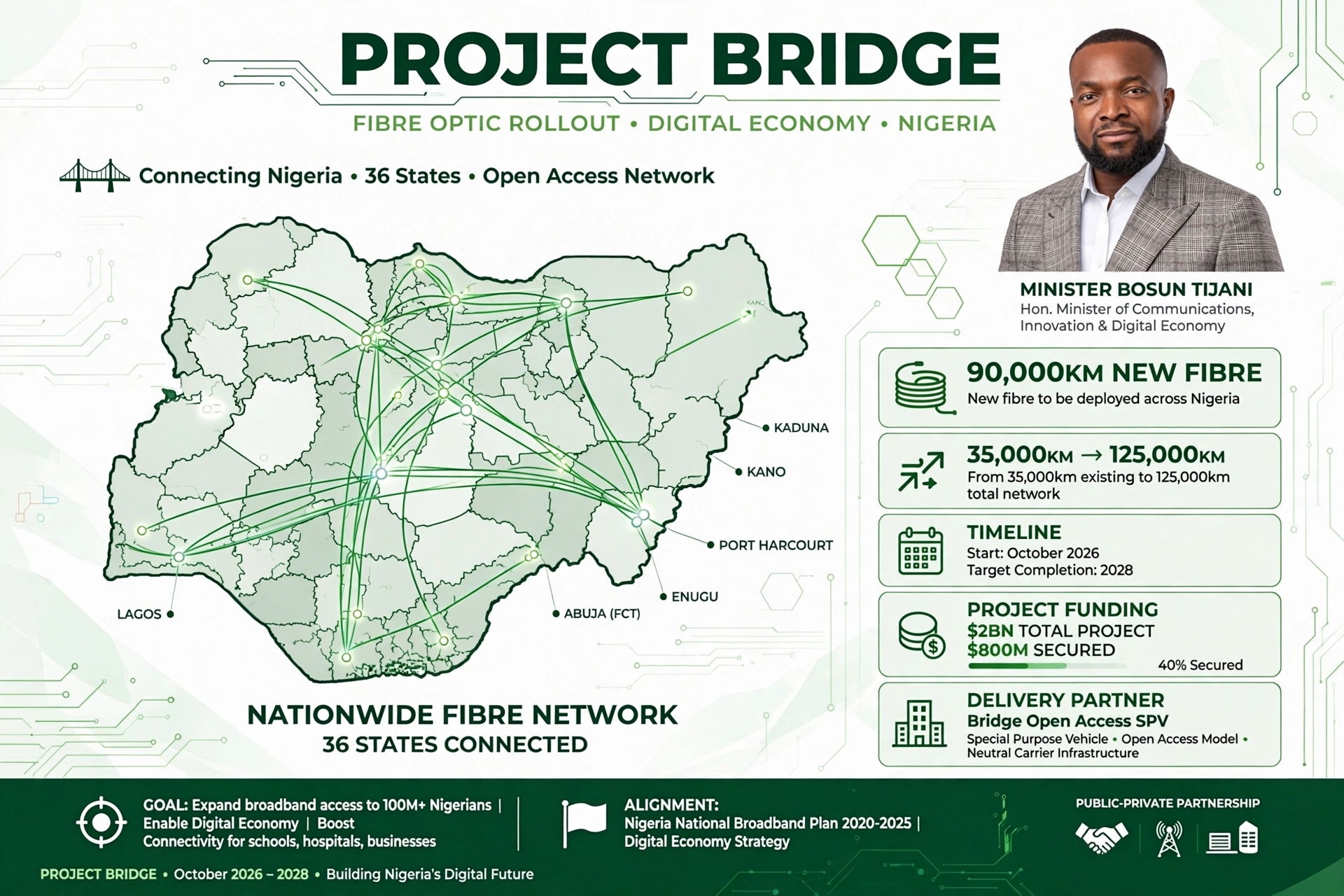
The Federal Government is pursuing plans to expand Nigeria’s digital infrastructure through Project BRIDGE, a proposed fibre-optic network spanning approximately 90,000 kilometres with completion targeted by 2028. According to the Federal Ministry of Communications, Innovation and Digital Economy, physical deployment of the network is scheduled to begin in October 2026, after funding was secured. The project, executed through Bridge Open Access SPV incorporated in August 2026, will expand Nigeria’s existing backbone from 35,000km to 125,000km. Minister Dr. Bosun Tijani said: “President Bola Tinubu approved that we must deepen connectivity and we’re investing in 90,000 kilometres of fibre optic network. By the time we are done, it’s going to be either the third or second longest fibre-optic network on the African continent… This is a project that is starting implementation in October. We have raised the funding for it.” The government says the initiative, estimated to cost $2 billion, has secured $800 million in sovereign financing $500m from the World Bank, $200m from the African Development Bank, $100m from the European Bank for Reconstruction and Development, and a €22m EU grant leaving about $1.2bn to be mobilised from private capital. The Federal Government will hold 25-49% of the SPV, with private investors holding at least 51% and retaining operational control. When completed, the network is expected to connect all 36 states and 774 local government areas and link over 200,000 schools, health facilities and public institutions. Complementary plans include deployment of 3,700 telecom towers to reach over 20 million Nigerians currently without access to telecom services. Fibre-optic cables carry large volumes of digital information at high speeds and provide the backbone for broadband services. Expanding the network could help telecommunications companies and internet service providers improve coverage and deliver more reliable services to homes, offices and institutions. Reliable internet is now essential for education, business, banking and healthcare. Small businesses use digital platforms to reach customers and receive payments, while students rely on online learning. An expanded fibre network could support innovation and reduce connectivity costs, particularly in underserved areas. However, the benefits will depend on implementation quality and whether improved backbone translates into affordable last-mile services. Expanding nationwide fibre requires substantial investment, rights-of-way approvals, protection of installed cables and maintenance. The delivery timeline was recently shortened from five years to three years, increasing pressure on the ministry to move from planning to visible deployment by October 2026. For millions of Nigerians, the ultimate test will be whether the project leads to faster internet, wider coverage and lower barriers to participating in the digital economy.
Similar Posts
Air Peace Explains Abuja–Maiduguri Flight Cancellation, Cites Fuel Shortage and Airport Restrictions
Air Peace has explained the cancellation of its Abuja–Maiduguri flight on Saturday, attributing the disruption to a shortage of aviation fuel in Abuja and a subsequent restriction affecting operations at Maiduguri Airport. The airline said the initial delays to its Abuja operations were caused by the unavailability of Jet A1 aviation fuel, a situation it…
PETROL SUBSIDY WILL NOT RETURN, TINUBU GOVERNMENT INSISTS AS NIGERIANS FACE HIGH LIVING COSTS
The Federal Government has reiterated its position against restoring petrol subsidies, saying Nigeria must increasingly rely on private investment to drive economic growth and reduce pressure on public finances. Finance Minister Taiwo Oyedele reportedly made the remarks during an engagement at Chatham House in London, where he discussed the government’s economic reforms and plans for…
Nigeria Launches 100-Day Tourism Season as Government Seeks to Turn Festive Boom Into Economic Opportunity
Nigeria is officially launching a new 100-day national tourism season aimed at showcasing the country’s culture, entertainment, food, festivals, hospitality and creative economy to Nigerians, members of the diaspora and international visitors. Known as “Ember to Remember 2026,” the initiative is being coordinated by the Federal Ministry of Art, Culture, Tourism and the Creative Economy…
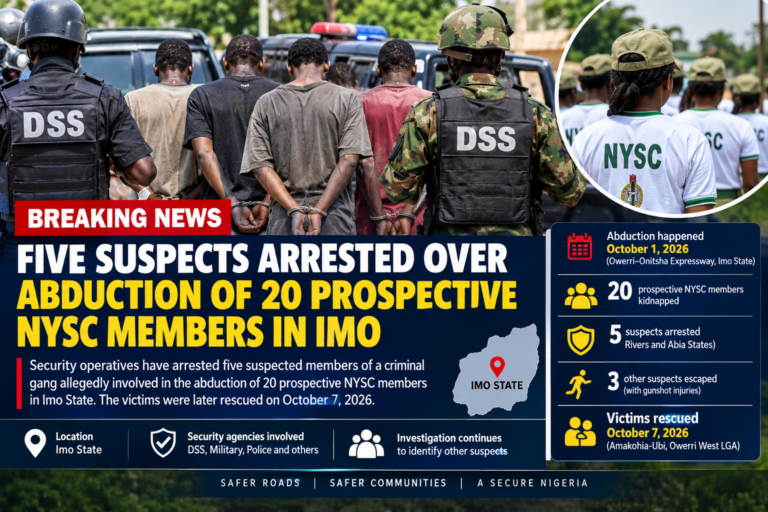
FIVE SUSPECTS ARRESTED OVER ABDUCTION OF 20 PROSPECTIVE NYSC MEMBERS IN IMO
Security operatives have reportedly arrested five suspected members of a criminal gang allegedly involved in the abduction of 20 prospective National Youth Service Corps (NYSC) members in Imo State. The arrests were reported on October 16 following intelligence-led operations involving the Department of State Services, the military, the police and other security personnel. According to…
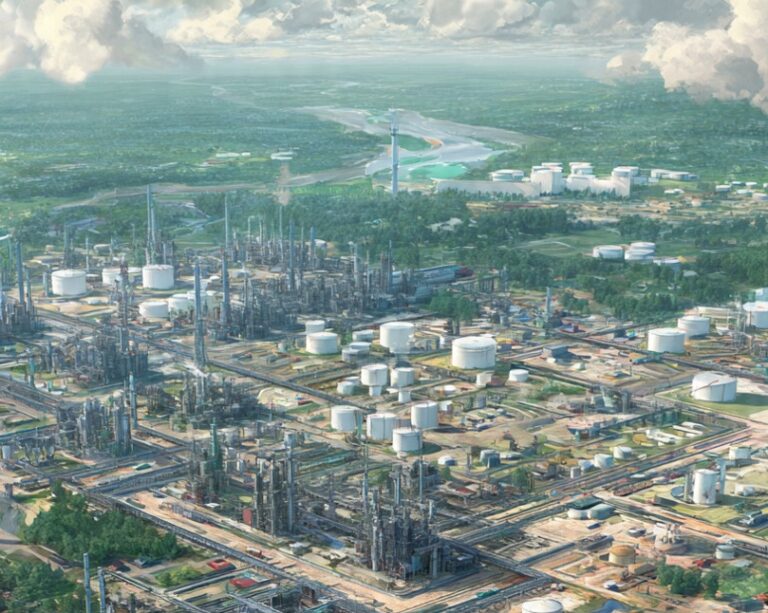
Dangote Refinery Launches $1.6 Billion IPO, Plans $14.3bn Expansion to 1.4m Barrels Per Day by 2029
Africa’s largest refinery is about to get even bigger. The Dangote Petroleum Refinery has secured approval from the Securities and Exchange Commission, SEC, to launch a $1.6 billion Initial Public Offering, IPO, in what will be Africa’s biggest share sale ever. At the same time, the refinery announced plans for a $14.3 billion expansion that…
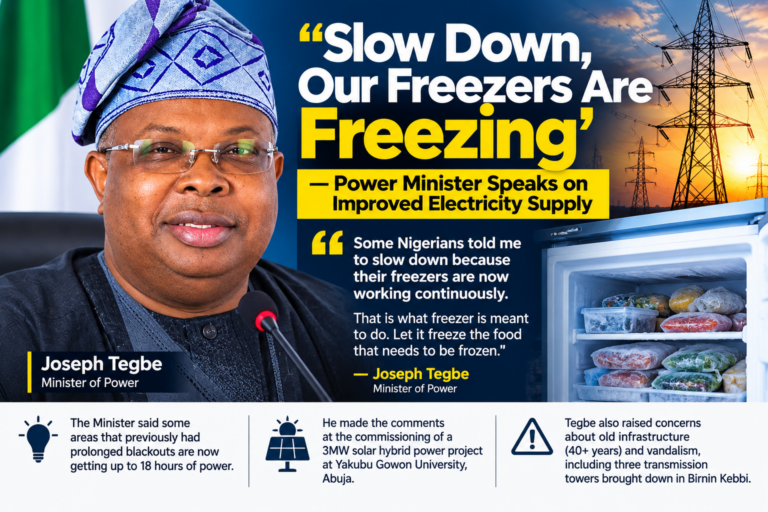
Slow Down, Our Freezers Are Freezing’ — Power Minister Speaks on Improved Electricity Supply
‘Nigeria’s Minister of Power, Joseph Tegbe, has revealed an unusual reaction from some electricity consumers following what he described as improvements in power supply across parts of the country. Speaking on Wednesday, September 16, 2026, in Abuja, Tegbe said some Nigerians had jokingly asked him to “slow down” because their freezers were now working continuously….