Traffic congestion around the Lekki Deep Seaport corridor in Lagos has worsened, with port stakeholders warning that the growing gridlock is beginning to disrupt cargo movement and port operations. The congestion has been linked to the movement of tankers and container trucks along the busy corridor, with stakeholders raising concerns about the enforcement of traffic regulations and the use of designated truck parks. Although an electronic call-up system is already in place to regulate trucks entering and leaving the port, stakeholders say problems remain when truck operators fail to use designated parks before receiving access to the port. The situation is also affecting investors who have put money into truck parks around the axis. Some operators say poor patronage has made it difficult to recover investments in their facilities. The Port Manager of Lekki Port, Emmanuel Anda, said there have been situations where tankers and container trucks completely blocked both sides of the road. He warned that poor traffic regulation could also increase the risk of fatal road accidents. The Lagos State Government, however, says it is taking steps to improve traffic management along the corridor. The state had announced plans to deploy additional traffic management personnel and strengthen enforcement of the E-Call-Up system. Lagos State Commissioner for Transportation Seun Osiyemi acknowledged the congestion but said the situation was not permanent. He attributed some of the pressure to sudden increases in truck movements caused by rumours of possible petroleum-product price increases. With the Lekki Free Trade Zone experiencing significant commercial activity, stakeholders say efficient traffic management remains essential to prevent delays in cargo evacuation and minimise disruption to businesses and residents in the area. The latest development has renewed calls for stronger enforcement, better coordination among relevant agencies and greater compliance with designated truck-management procedures. For businesses operating around the port corridor, prolonged congestion could translate into higher transportation costs, delays in cargo delivery and additional pressure on logistics operations.

Similar Posts
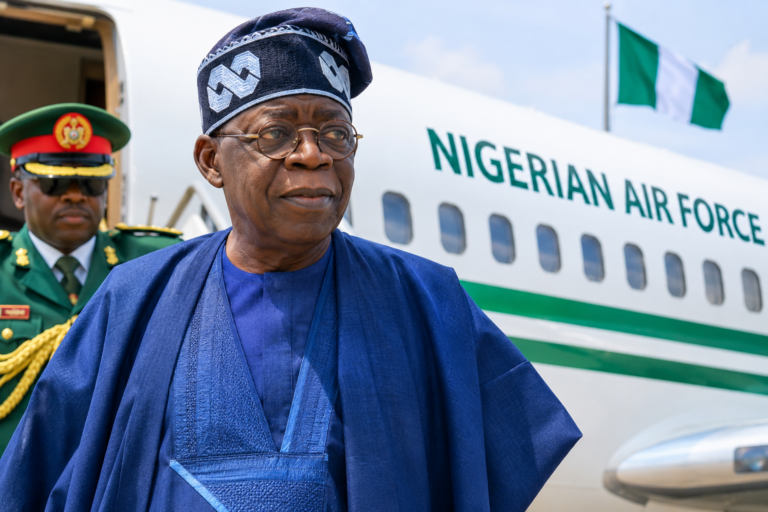
TINUBU SET TO RETURN TO NIGERIA AFTER FOUR-WEEK EUROPEAN STAY
President Bola Ahmed Tinubu is expected to return to Nigeria on Tuesday, September 29, after spending about four weeks in Europe on what the Presidency described as a working vacation. The President is expected to arrive in Lagos, where he will spend the Independence Day period before returning to Abuja later in the week. Tinubu’s…
Nigeria Takes Bigger Role in Global Education Financing as Italy Partnership Gains Attention
Nigeria has taken a prominent role in a global campaign aimed at raising billions of dollars to support education across developing countries. The country is co-hosting the Global Partnership for Education’s 2026–2030 replenishment campaign alongside Italy. The campaign seeks to mobilise US$5 billion to support education in more than 100 low-income and lower-middle-income countries. The…
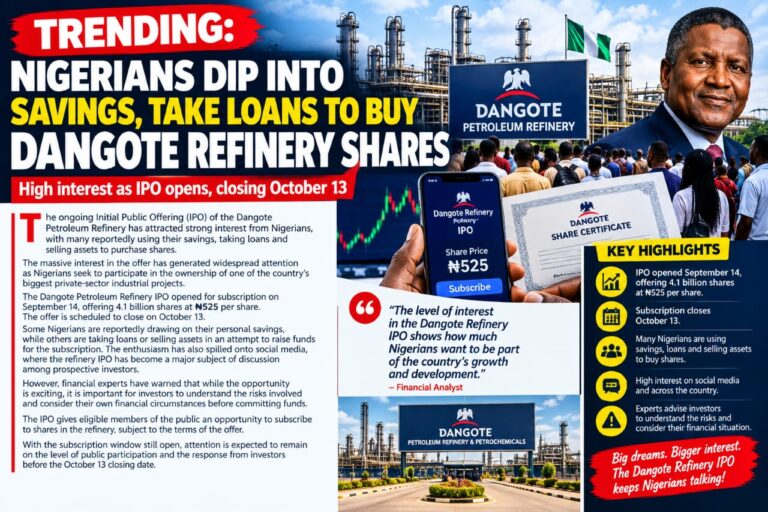
Nigerians Dip Into Savings, Take Loans to Buy Dangote Refinery Shares
The ongoing Initial Public Offering of the Dangote Petroleum Refinery has attracted strong interest from Nigerians, with some prospective investors reportedly using personal savings, taking loans and selling assets to raise money to purchase shares. The development has generated widespread attention as Nigerians seek to participate in the ownership of one of the country’s biggest…
NIGERIA’S MOBILE SUBSCRIPTIONS RISE ABOVE 195 MILLION
Nigeria’s telecommunications sector has recorded further growth, with active mobile subscriptions rising to about 195 million in July 2026. The increase highlights the growing importance of mobile communication and internet services to Nigerians.Mobile phones have become an essential part of daily life, with Nigerians increasingly relying on them for banking, business, education, entertainment, communication and…
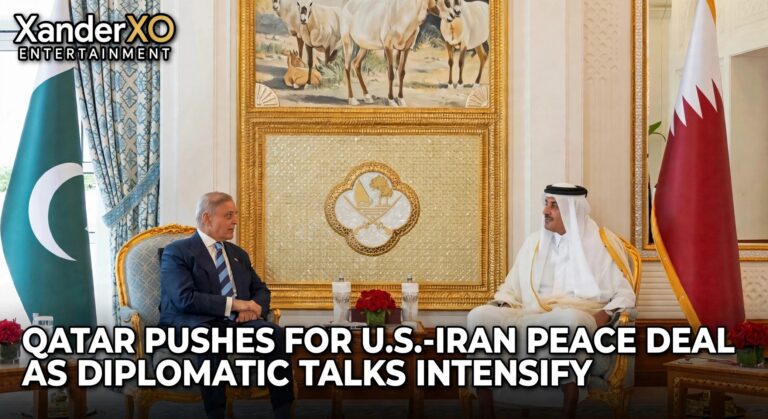
QATAR PUSHES FOR U.S.–IRAN PEACE DEAL AS DIPLOMATIC TALKS INTENSIFY
Qatar has stepped up diplomatic efforts to bridge differences between the United States and Iran as negotiations aimed at ending their seven-month-old war remain uncertain. Qatari officials confirmed on Tuesday that Doha is continuing to relay messages between Washington and Tehran, with meetings and exchanges taking place as part of a renewed attempt to find…
🇳🇬 FG Announces 100MB Free Daily Data for Nigerian Students From October 1
Nigerian students in public senior secondary and tertiary institutions are set to receive 100MB of free daily data from October 1, 2026, for accessing approved educational platforms and digital learning content.