Nigeria’s 2027 presidential election is beginning to take clearer shape as political parties and major contenders intensify preparations for what is expected to be another closely watched contest for the country’s highest political office. The Independent National Electoral Commission (INEC) has now released its final list of presidential candidates and their running mates for the election scheduled for January 16, 2027. The list contains 18 presidential candidates representing 18 political parties. Among the most prominent names on the ballot are incumbent President Bola Ahmed Tinubu of the All Progressives Congress (APC), former Vice-President Atiku Abubakar of the African Democratic Congress (ADC), and former Anambra State Governor Peter Obi, who is contesting under the Nigeria Democratic Congress (NDC). President Tinubu is entering the election as the incumbent and is seeking a second term in office under the APC. His campaign will largely be shaped by how Nigerians assess his administration’s record since he assumed office in 2023, particularly on the economy, fuel prices, inflation, employment, security and other issues affecting households. Supporters of the President have continued to defend his policies and argue that the reforms introduced by his administration require more time to produce their full benefits. The 2027 election will therefore provide voters with an opportunity to decide whether they want the current administration to continue for another four years. Atiku Abubakar is also returning to the presidential race, this time under the ADC platform. The former vice-president remains one of the most experienced opposition figures in Nigerian politics and has previously contested the presidency several times. His candidacy is part of a broader opposition effort to challenge the APC’s hold on the presidency. Peter Obi, who gained significant support among young Nigerians during the 2023 election, is also back on the ballot. Obi is contesting under the NDC, making his 2027 campaign another important part of the opposition battle. His emergence alongside Atiku and other opposition figures has also raised questions about whether Nigeria’s opposition parties can work together effectively enough to mount a united challenge against Tinubu. One of the biggest issues surrounding the 2027 election is whether opposition politicians will eventually unite behind a common strategy. Recent political developments show that discussions around opposition cooperation remain active. Tinubu’s media aide, Tunde Rahman, recently described the emerging relationship between Peter Obi and Oyo State Governor Seyi Makinde as not yet a coalition, while also highlighting challenges that could affect efforts to build a broader opposition alliance. The question of unity could become particularly important because several opposition politicians are seeking to challenge an incumbent president backed by the ruling APC. The election is likely to be influenced by several major issues. The economy will be one of the biggest factors. Nigerians will be watching the cost of living, food prices, petrol prices, employment and the value of the naira. Security will also remain a major concern, particularly for communities affected by terrorism, banditry, kidnapping and other forms of insecurity.
Youth participation could equally play an important role. Young Nigerians have increasingly used social media to express their political opinions and mobilise support for candidates. Another important factor will be regional and political alliances, as candidates attempt to build enough nationwide support to meet Nigeria’s constitutional requirements for winning the presidency. With INEC’s publication of the final list, the 2027 presidential contest has moved beyond speculation and into a more defined electoral phase. Tinubu will be defending his presidency, while Atiku, Obi and 15 other candidates will be seeking to persuade Nigerians that they offer a better direction for the country. For voters, the months ahead will provide an opportunity to examine the candidates, their policies, records and promises before making their choice at the polls. The race for Aso Rock is officially taking shape — and Nigerians will ultimately decide who leads the country from 2027.

Similar Posts
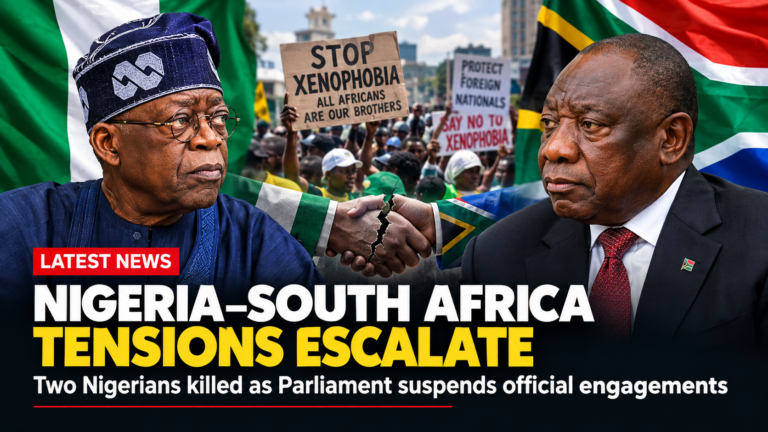
Nigeria-South Africa Tensions Escalate as Two Nigerians Are Killed Amid Anti-Migrant Violence
Tensions between Nigeria and South Africa have intensified following the reported deaths of two Nigerian nationals in South Africa, as concerns over the safety of Nigerians living and doing business in the country continue to grow. Nigeria’s Ministry of Foreign Affairs confirmed that two Nigerian citizens, James Uchechukwu Nwankwo and Bishop Taiwo Michael Fakunle, were…
2027: Can Peter Obi Win Benue After His Convoy Was Blocked?
Peter Obi’s blocked visit to Benue on Tuesday has turned what should have been a humanitarian mission into a major 2027 political talking point. The NDC presidential candidate said he traveled to Yelwata in Guma LGA to mourn with families after the June 2025 massacre that claimed over 270 lives. He was also taking relief…
Strait of Hormuz Standoff: Inside the Secret Iran-Oman Shipping Corridor Plan
Following a series of localized military exchanges and persistent drone interceptions in the Persian Gulf, Iran has initiated strategic high-level talks with [Oman] to establish a temporary, alternative shipping corridor through the Strait of Hormuz. The emergency negotiations represent a calculated effort by Tehran to preserve its vital maritime energy logistics while bypassing the heavy…
US GOVERNMENT ANNOUNCES $10MILLION REWARD FOR INFORMATION ON IRAN CYBER COMMAND LEADER
The United States Department Of states has announced a reward of up to $10million for information on Amir Yaryab, identified as the leader of the Cyber Operations Command of Iran’s Islamic Revolutionary Guard Corps Cyber Electronic Command (IRGC-CEC). The announcement was made under the Department Of State’s Rewards for Justice Programme, operated by the Diplomatic…
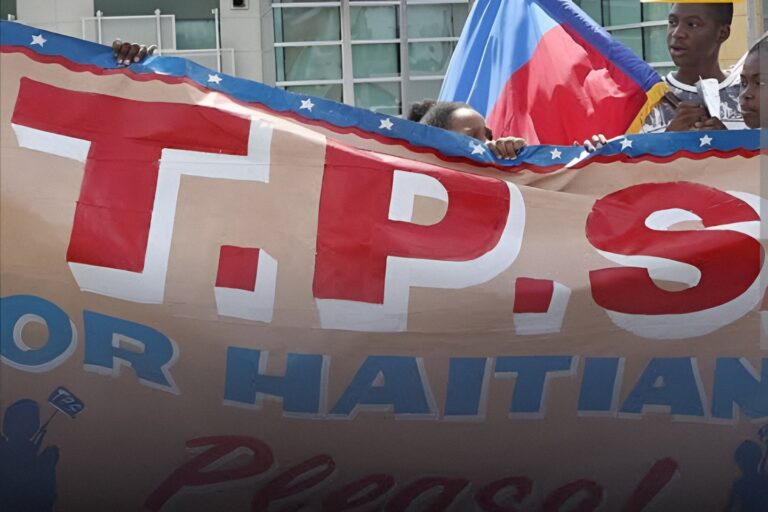
The Massive Fallout of Haiti’s Abrupt TPS Termination
The sudden and formal termination of Temporary Protected Status (TPS) for Haitian nationals living within the United States has triggered an immediate humanitarian and economic crisis. The administrative decision places an estimated 350,000 individuals—who have built legally recognized lives, businesses, and families in the U.S. over years of displacement—under immediate threat of forced deportation back…
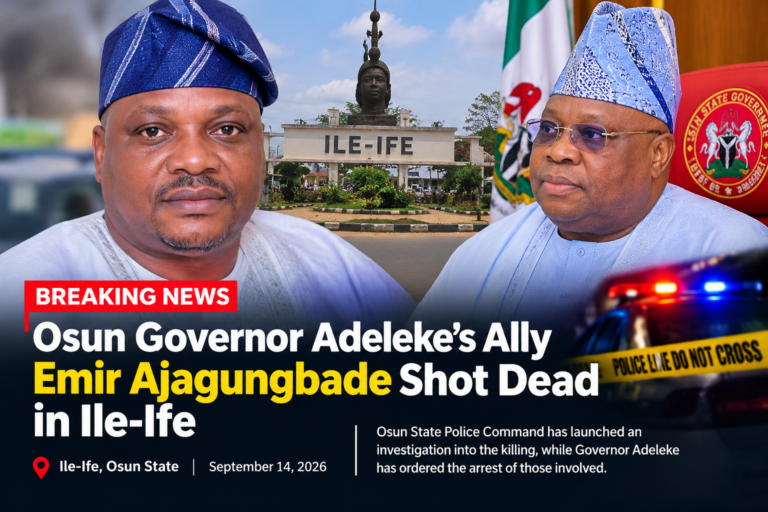
Osun Governor Adeleke’s Ally Emir Ajagungbade Shot Dead in Ile-Ife
A political associate of Osun State Governor Ademola Adeleke, Olalekan Oyeyemi, popularly known as “Emir Ajagungbade,” has been shot dead in Ile-Ife, Osun State. Oyeyemi, who was also an Accord Party chieftain, was reportedly killed at the Mayfair Garage in Ile-Ife on Sunday, September 13, amid a dispute reportedly connected to the control and leadership…