Doctors produced in the early years of Nigeria’s independence were very small compared to the massive population they had to cater for. Before the establishment of that University College Hospital UCH, Ibadan in 1957, medical students who wanted to upgrade their LMS degree or subsequently who wanted to complete their clinical years of medical school had to travel to the United Kingdom UK to complete their MBBS programme. This part of their training did not prepare them for the harsh reality of clinical experience in Nigeria which includes understaffed hospitals, inadequate supply of drugs, poor infrastructure, poor hospital administration, etc.
Even though more doctors are being trained, Nigeria’s doctor-to-patient ratio stands at around 1:1500, well below the World Health Organisation’s recommendation of 1:600. This is because of the brain drain in the medical field. On a yearly basis, hundreds of doctors graduated from Nigerian universities migrate to foreign countries to work. This leaves the few available doctors in the country with increased workload which their salary does not compensate much for. The establishment of the National Postgraduate Medical College of Nigeria (NPMCN) has helped doctors to specialise and complete their fellowship programmes locally as against when they had to travel abroad to do their residency and fellowships too. Private clinics are very common now as doctors see it as a better and more flexible source of income than working under the government. Following the massive increase in population, government hospitals are overcrowded and these private clinics help to reach out to more patients on the grand scale.
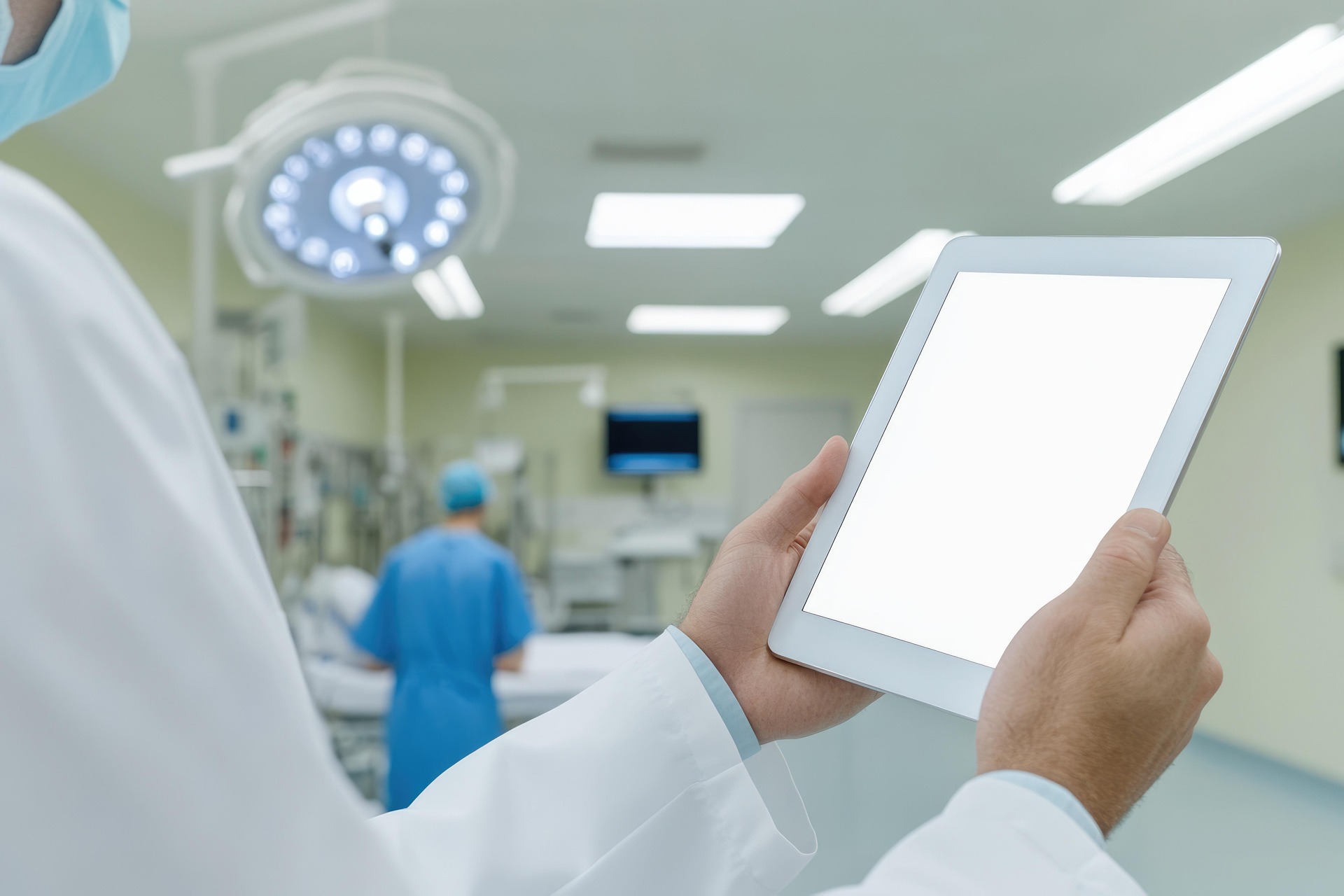
The future of medical education in Nigeria cannot be separated from the rapid technological and scientific changes currently transforming healthcare worldwide. Emerging innovations such as artificial intelligence, telemedicine, electronic health records, robotic surgery, and genomics are redefining the role of the doctor. These technologies demand that medical training in Nigeria go beyond traditional classroom and hospital-based methods. Curricula must be redesigned to incorporate digital literacy, data analysis, health informatics, and interdisciplinary collaboration.
In addition, the shift in career dynamics means that doctors are no longer confined to the clinical setting. Opportunities now exist in medical research, health policy, biotechnology, and global health initiatives. To remain competitive, Nigerian medical education should actively prepare doctors for these diverse roles. Integrating simulation-based training, problem-based learning, and exposure to global best practices will ensure that future doctors are equipped with both the scientific knowledge and adaptive skills required in a rapidly evolving healthcare environment. Thus, embracing technology and new skills is not only a necessity for improved healthcare delivery but also a pathway to broader career development for Nigerian doctors.
To remain relevant, Nigeria must build a medical education system that equips doctors not only with clinical expertise but also with digital competence, research capacity, and adaptability for emerging roles. By aligning education with evolving career opportunities, medical graduates will not only serve the nation more effectively but also thrive in a global medical community that is increasingly interconnected and technology-driven
From its beginnings in 1948, medical education in Nigeria has continuously adapted to the realities of its time. The early doctors worked in a system shaped by colonial influences, limited resources, and immense professional demand. Today, while challenges such as inadequate facilities, brain drain, and evolving patient needs persist, there are also opportunities for growth through global exposure, specialisation, and improved training methods. Looking forward, the future of medical education in Nigeria will depend on how effectively it responds to the shifting career dynamics brought about by new technologies, globalisation, and diverse healthcare roles.
To remain relevant, Nigeria must build a medical education system that equips doctors not only with clinical expertise but also with digital competence, research capacity, and adaptability for emerging roles. By aligning education with evolving career opportunities, medical graduates will not only serve the nation more effectively but also thrive in a global medical community that is increasingly interconnected and technology-driven.