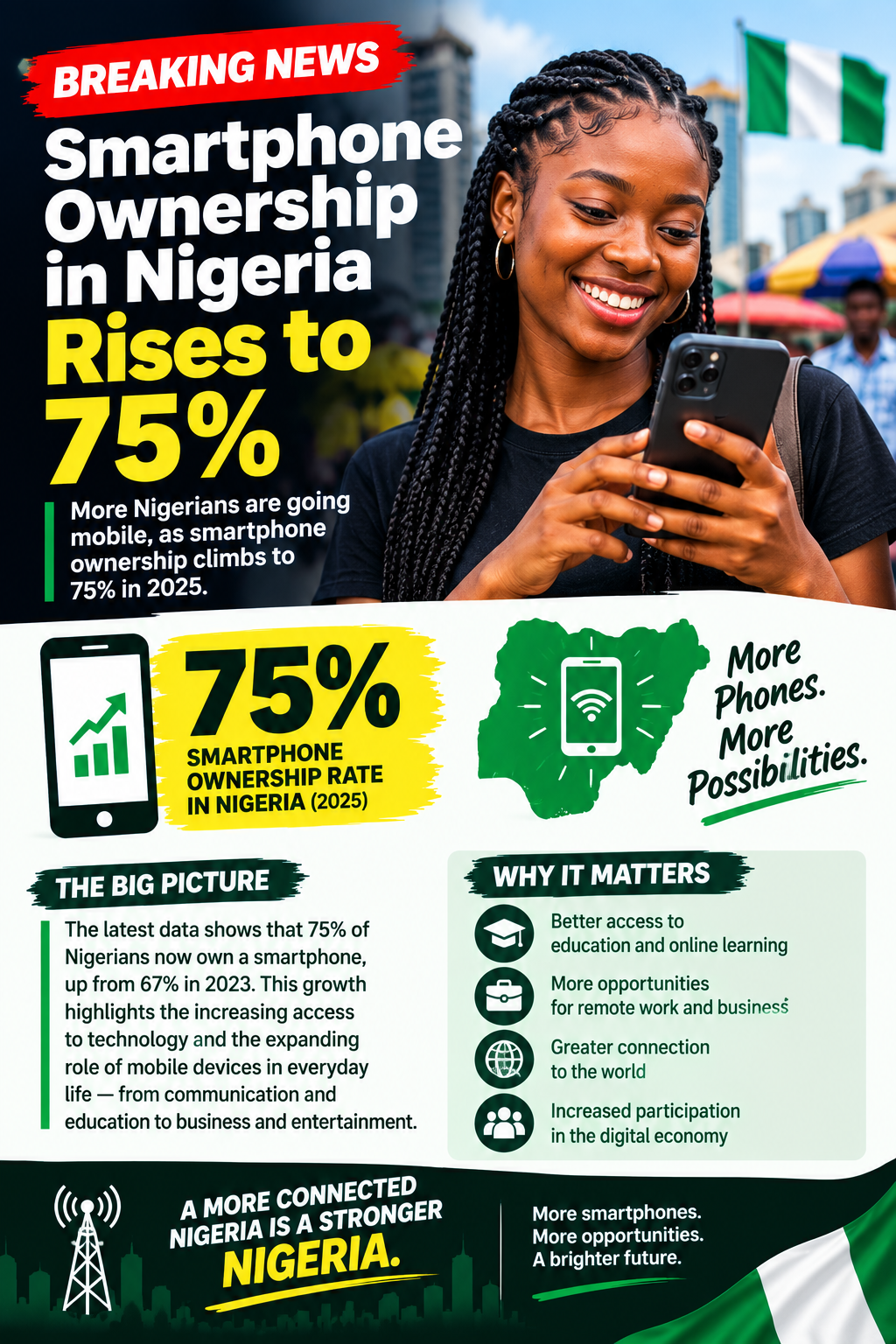
Smartphone ownership in Nigeria has risen to 75 per cent, reflecting the growing role of mobile devices in communication, business and access to digital services. The figure was contained in the Nigeria Smartphone Study, a nationwide analysis of smartphone ownership and digital application usage conducted by KPMG in partnership with Orange Group Nigeria. According to the report, smartphone ownership increased from 64 per cent in 2023 to 75 per cent in 2025. The study surveyed 13,251 respondents across 12 major Nigerian cities. The growth has been linked to factors including Nigeria’s youthful population, improving connectivity and the increasing affordability of smartphones. Smartphones are increasingly being used beyond traditional communication, with Nigerians relying on them for financial services, online shopping, entertainment, education and transportation. Data from the Nigerian Communications Commission cited in the report showed that Nigeria had 157 million internet subscribers as of May 2026, while data consumption exceeded 1.5 million terabytes. However, the report also highlighted challenges that continue to limit digital access. More than one-third of mobile subscribers were still using 2G as of May 2026, according to the figures cited by KPMG. The report identified infrastructure limitations, affordability, digital literacy gaps and cybersecurity concerns as factors that could affect the pace and inclusiveness of Nigeria’s digital transformation. The rise in smartphone ownership nevertheless points to the increasingly central role of mobile technology in Nigerians’ everyday economic and social activities.
Similar Posts
Anambra Govt Publishes DMO Records of Eight External Loans After Peter Obi Pledges to End 2027 Campaign If Indebtedness Is Proven
The Anambra State Government has published Debt Management Office (DMO) records of eight external loans which it said remained outstanding from previous administrations, following former Governor Peter Obi’s pledge to end his 2027 presidential campaign if indebtedness from his tenure is established.The development followed comments by Anambra State Commissioner for Finance, Izuchukwu Okafor, who said…
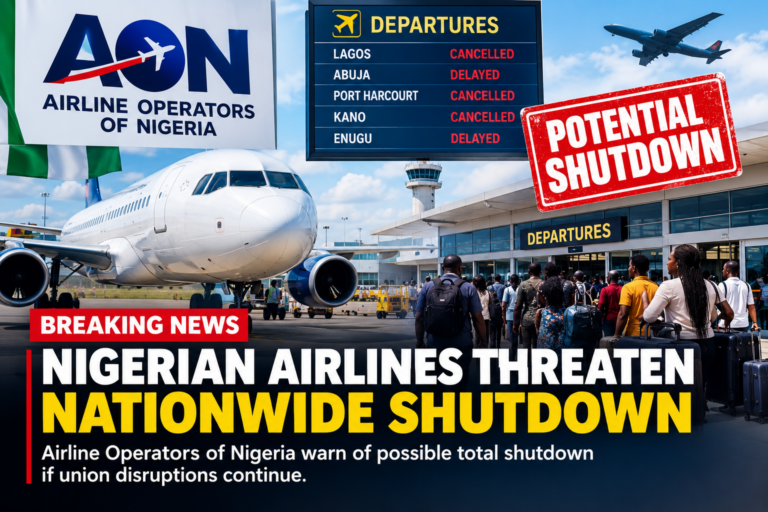
Nigerian Airlines Threaten Nationwide Shutdown Over Future Union Disruptions
Domestic airlines operating under the Airline Operators of Nigeria have warned that they could shut down their operations nationwide if aviation unions again disrupt the operations of any member airline. The warning follows the disruption of airline activities during an industrial action at airports in Lagos and Abuja on August 11. The Airline Operators of…
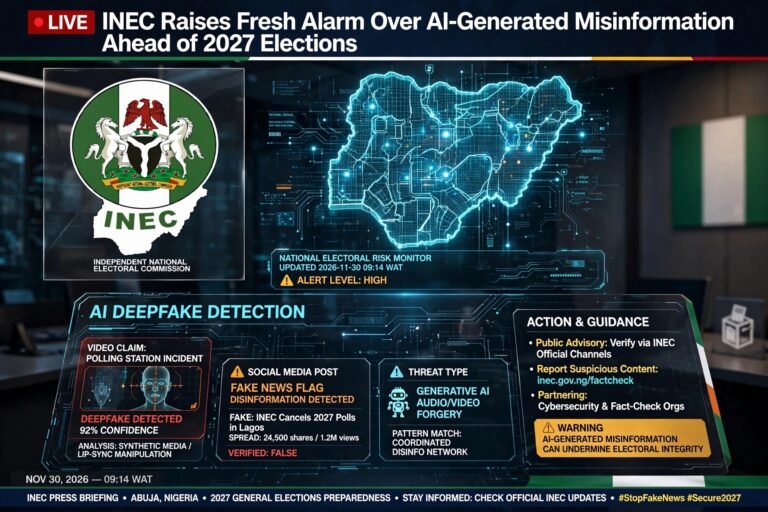
INEC Raises Fresh Alarm Over AI-Generated Misinformation Ahead of 2027 Elections
The Independent National Electoral Commission (INEC) has raised fresh concerns about the growing use of artificial intelligence to create and circulate misleading information ahead of Nigeria’s 2027 general elections. The electoral body said the increasing sophistication of artificial intelligence presents a new challenge for election communication, particularly with the ability to produce convincing fake videos,…
INEC Under Fire: Is Nigeria’s Electoral Referee Playing for APC?
Nigeria’s electoral referee is facing a question that could define the 2027 elections: can INEC convince millions of Nigerians that it is truly independent — or are growing allegations of political bias becoming impossible to ignore? The Independent National Electoral Commission (INEC) was created to protect the integrity of Nigeria’s elections. But as the country…
Tinubu Returns to Nigeria After Four-Week Working Vacation in Europe
President Bola Ahmed Tinubu has returned to Nigeria after spending about four weeks in Europe on what the Presidency described as a working vacation. The President arrived at the Presidential Wing of the Murtala Muhammed International Airport in Lagos on Tuesday evening, September 29. He departed Nigeria on August 30 and spent time in London…
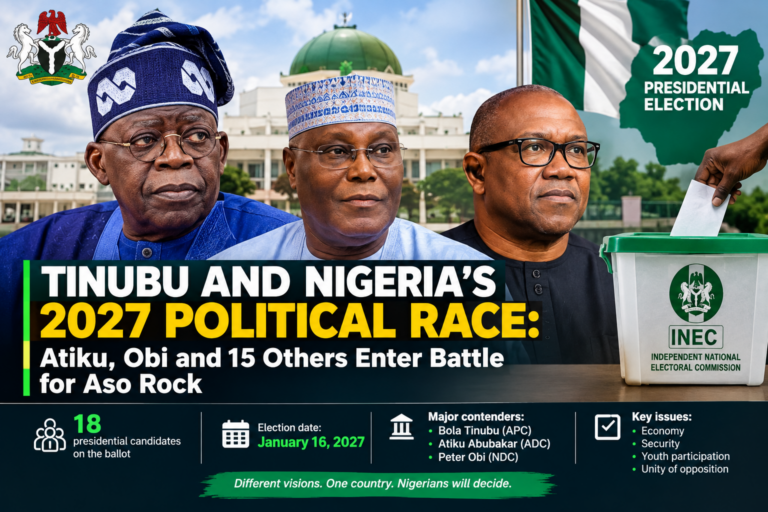
Tinubu and Nigeria’s 2027 Political Race: The Battle for Aso Rock Takes Shape
Nigeria’s 2027 presidential election is beginning to take clearer shape as political parties and major contenders intensify preparations for what is expected to be another closely watched contest for the country’s highest political office. The Independent National Electoral Commission (INEC) has now released its final list of presidential candidates and their running mates for the…