The death of Etimbuk Daniel, the immediate past Students’ Union Government (SUG) president of Akwa Ibom State University (AKSU), at a National Youth Service Corps (NYSC) orientation camp in Enugu State has sparked grief and calls for an investigation into the circumstances surrounding his death. Daniel’s death was reported on Sunday, October 11, by Nigerian news outlets, with the National Association of Nigerian Students (NANS) confirming the development in a statement attributed to its president, Akinteye Babatunde Afeez. The incident has drawn attention to the medical arrangements available to prospective corps members at orientation camps and the procedures followed when participants develop serious health problems. According to a report published by The Source, Daniel complained of a headache while at the orientation camp and was reportedly given medication. The report stated that his condition subsequently worsened and that he requested to be taken to a hospital. However, NANS alleged that approval for the hospital visit was delayed and that Daniel died before it was granted. The student organisation also raised concerns about the medication reportedly administered to him, alleging that a doctor later identified it as fake. These claims have not been independently established in the available reports. The precise medical circumstances surrounding Daniel’s death, including the cause of death and the nature of the medication involved, remain matters requiring official clarification. It is therefore important that the relevant authorities investigate the allegations before responsibility is attributed to any individual or institution. Reacting to the incident, NANS president Akinteye Babatunde Afeez reportedly described Daniel’s death as shocking and painful. The organisation expressed concern about the reported delay in obtaining hospital care and the allegation involving the medication. NANS called for a thorough investigation to establish what happened and determine whether any failures occurred in the handling of Daniel’s medical condition. The organisation also extended its condolences to Daniel’s family, friends, former colleagues and the wider AKSU community. Daniel’s death has renewed discussion about the importance of effective medical services and emergency response procedures at NYSC orientation camps, where thousands of young graduates participate in physical activities and other programmes. The NYSC orientation exercise brings together graduates from different backgrounds and regions for registration, training and other activities designed to prepare them for national service. While the programme includes physical and administrative activities, participants may also develop medical conditions requiring prompt professional attention. The reported circumstances of Daniel’s death have raised questions about how quickly participants can access hospitals when their conditions exceed the capacity of camp clinics. They have also highlighted the importance of ensuring that medications provided to participants are properly sourced, stored and administered by qualified personnel. Where a participant experiences a potentially serious medical emergency, timely assessment and appropriate treatment can be critical. However, establishing whether there was a delay in Daniel’s treatment, whether the medication contributed to his condition or whether any procedural failures occurred will require evidence from medical personnel, relevant records and the authorities conducting the investigation. Daniel’s death has placed renewed attention on the responsibility of camp management and relevant health personnel to maintain appropriate medical arrangements for participants. An investigation, if conducted transparently, could help establish the sequence of events, clarify the medical circumstances and identify any improvements required in emergency procedures. The findings could also help address concerns raised by students and prospective corps members about access to medical attention during orientation activities. For the university community, the loss is particularly painful because Daniel previously served as a student leader, a position that placed him at the centre of student representation and campus activities. His death has therefore prompted grief beyond his immediate family and friends, with fellow students and former colleagues awaiting further information. As reactions continue, clarification from the NYSC management, the relevant Enugu State authorities and medical personnel would be important in establishing the full circumstances surrounding the incident. An official statement addressing Daniel’s condition, the treatment he received and the timeline of events would help distinguish confirmed facts from allegations currently circulating in reports. Until such information becomes available, claims concerning fake medication or delayed medical attention should be treated as allegations rather than established findings. The immediate priority remains establishing what happened, supporting Daniel’s family and ensuring that any legitimate concerns about medical care at orientation camps receive appropriate attention. Daniel’s death has left the student community mourning a former leader while raising important questions about emergency medical care and the protection of young Nigerians participating in national service.

Similar Posts
2027 ELECTIONS: TINUBU ENDORSEMENTS FACE POLITICAL PUSHBACK AS OPPOSITION MOBILISATION CONTINUES
Political mobilisation ahead of Nigeria’s 2027 presidential election is gathering momentum, with endorsements for President Bola Tinubu drawing competing reactions from political groups supporting alternative candidates. Nigeria’s political landscape is witnessing increased activity ahead of the next general election, as political figures and interest groups signal their preferences and attempt to shape public debate. President…
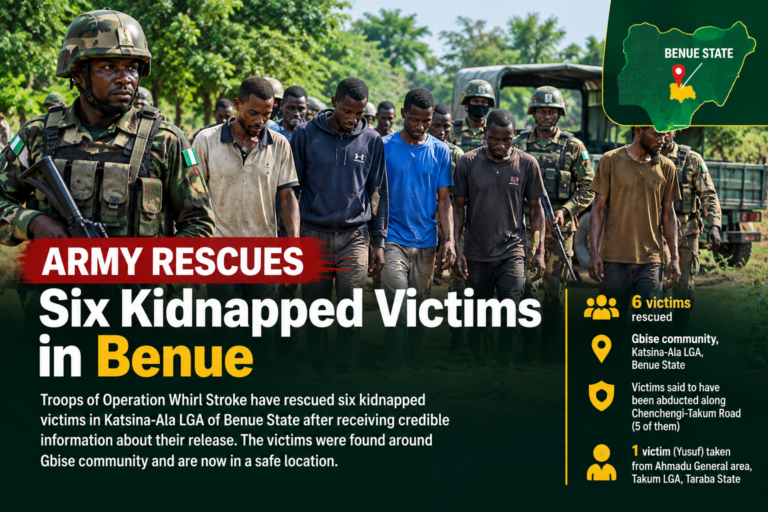
Army Rescues Six Kidnapped Victims in Benue
Troops of the Joint Task Force, Operation Whirl Stroke, have rescued six kidnapped victims in Katsina-Ala Local Government Area of Benue State. The victims were rescued around Gbise community on September 25 after troops reportedly received credible information about their release while conducting patrols in the area. The Acting Media Information Officer of the task…
TINUBU NOMINATES SIX EXECUTIVE DIRECTORS FOR NMDPRA, SEEKS SENATE CONFIRMATION
President Bola Ahmed Tinubu has nominated six individuals for appointment as executive directors of the Nigerian Midstream and Downstream Petroleum Regulatory Authority (NMDPRA), forwarding their names to the Senate for confirmation. The nominations were announced on Friday, October 30, 2026, by the President’s Special Adviser on Information and Strategy, Bayo Onanuga. According to the announcement,…
Osun on Alert as DSS Warns of Alleged Terror Plot Targeting Worship Centres
Osun State has been placed on heightened security alert following a warning from the Department of State Services (DSS) over an alleged plan by terrorists to attack places of worship and other crowded locations in the state. The warning has sparked increased security awareness among religious communities, with Christian and Muslim leaders urged to take…
Naira Weakens as Dollar Rises to ₦1,331 Officially and ₦1,375 in Parallel Market
The Nigerian naira recorded fresh weakness against the United States dollar on Friday, September 18, 2026, with the currency trading at about ₦1,331 per dollar in the official foreign exchange market and around ₦1,375 per dollar in the parallel market. Data from the Central Bank of Nigeria showed that the indicative exchange rate moved to…
NATIONAL ECONOMIC COUNCIL ENDORSES 90-DAY PLAN TO EASE ECONOMIC HARDSHIP
The National Economic Council has endorsed a 90-day economic action plan aimed at reducing the cost-of-living burden on Nigerians and improving access to affordable food, transportation and other essential services. The decision was reported on October 23, 2026, following the Council’s 161st meeting, chaired virtually by Vice President Kashim Shettima, the plan was presented by…