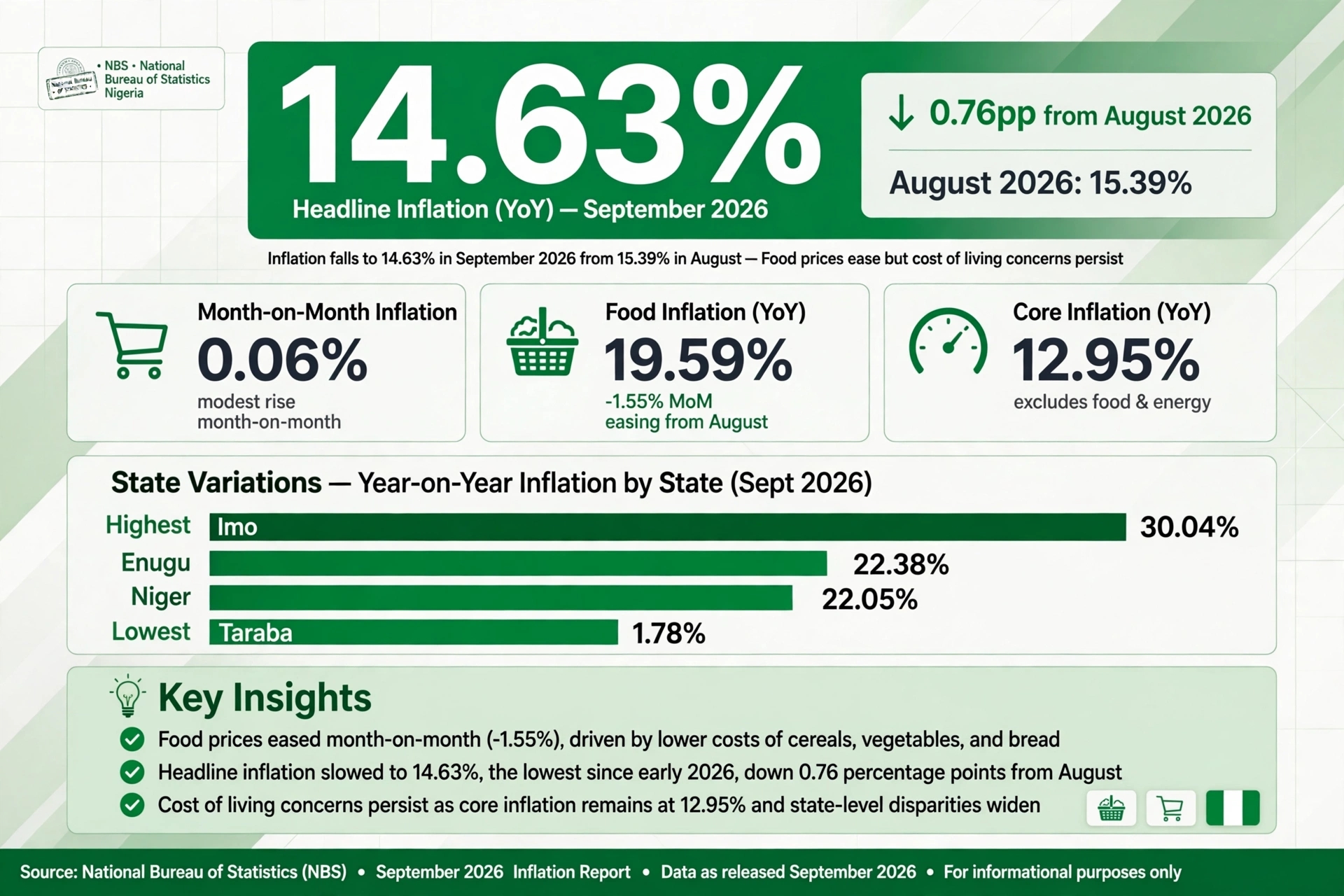
Nigeria’s headline inflation rate declined to 14.63 per cent in September 2026 from 15.39 per cent in August, according to figures released by the National Bureau of Statistics. However, the improvement does not mean that the high cost of living has disappeared. Nigeria recorded another decline in its headline inflation rate in September 2026, offering a fresh indication that price pressures have eased in parts of the economy. According to the September Consumer Price Index report released by the National Bureau of Statistics, headline inflation fell to 14.63 per cent from 15.39 per cent in August, the September figure was also below the 20.98 per cent recorded in September 2025. The development represents an improvement in the rate at which consumer prices are rising, although many Nigerian households continue to face financial pressure from food, transportation, housing, healthcare and energy expenses, the NBS report showed that month-on-month headline inflation declined significantly in September, the rate fell to 0.06 per cent from 0.71 per cent in August, representing a reduction of 0.65 percentage points. This measure is important because it provides an indication of how quickly average consumer prices changed between the two months, the decline suggests that overall price increases slowed considerably during the period. However, the headline inflation rate measures the change in prices compared with an earlier period. It does not mean that the prices of goods and services have returned to the levels Nigerians paid before previous increases, for example, if the price of a food item rises substantially over several months and later increases more slowly, consumers may still be paying much more than they did before the initial increase, this distinction helps explain why declining inflation does not necessarily translate into immediate financial relief for households. Food prices remain one of the most important concerns for Nigerian families, particularly low-income households that spend a substantial proportion of their earnings on meals and basic groceries. According to the NBS figures, year-on-year food inflation stood at 19.59 per cent in September 2026, compared with 20.16 per cent in September 2025, on a month-on-month basis, food inflation declined to -1.55 per cent in September from 1.02 per cent in August. The negative monthly figure indicates that the measured average prices of food items in the index declined during the period, the NBS attributed the movement partly to changes in the prices of items such as maize flour, rice, eggs, onions, palm oil, potatoes, tomatoes and plantain. Nevertheless, the effect of the decline may vary from one location to another. Food prices can differ significantly between states, markets and individual products. Some households may experience reductions in the prices of certain food items while continuing to pay more for other essentials. Although headline and food inflation declined, the report showed that core inflation increased on a month-on-month basis, core inflation, which excludes certain volatile agricultural and energy prices, stood at 12.95 per cent year-on-year in September, its month-on-month rate rose to 1.11 per cent from -0.06 per cent in August. This suggests that the improvement in headline inflation was not uniform across every category of goods and services, the report also recorded a 5.38 per cent month-on-month increase in its energy sub-index. The figures underline the importance of examining different inflation measures rather than relying exclusively on the headline rate, the NBS report also showed considerable differences in inflation outcomes across states, Imo State recorded the highest year-on-year headline inflation rate at 30.04 per cent, followed by Enugu at 22.38 per cent and Niger at 22.05 per cent, Taraba recorded the lowest rate at 1.78 per cent. These differences demonstrate that the national inflation figure does not necessarily reflect the experience of every household. Local supply conditions, transportation costs, food availability and other economic factors can influence the prices consumers face in different parts of Nigeria. The figures should therefore be interpreted as statistical measures of price changes, rather than as a guarantee that all consumers experienced the same level of relief, even when inflation declines, households may continue to struggle because prices accumulated during previous periods of high inflation remain elevated, workers whose incomes have not increased sufficiently may find it difficult to cover basic expenses, small businesses may also face higher operating costs, particularly when they depend on fuel, electricity, transportation and purchased raw materials, for families with children in school, additional pressure may come from tuition-related expenses, learning materials and transportation. The decline in inflation is therefore encouraging, but its impact on living standards will depend partly on whether incomes improve and whether essential goods become more affordable. Sustained improvements in inflation would require continued moderation in price increases across food, energy, transport and other important categories, developments in agricultural production, distribution networks, exchange rates, energy costs and monetary policy could influence future inflation outcomes, the government and economic authorities will also face pressure to ensure that improving national economic indicators translate into practical benefits for households and businesses. For Nigerians, the key question is not simply whether inflation is falling but whether the cost of meeting everyday needs is becoming more manageable. The September figures offer a positive development in the fight against inflation, but further progress will be needed before many households can feel substantial and lasting relief.
Similar Posts
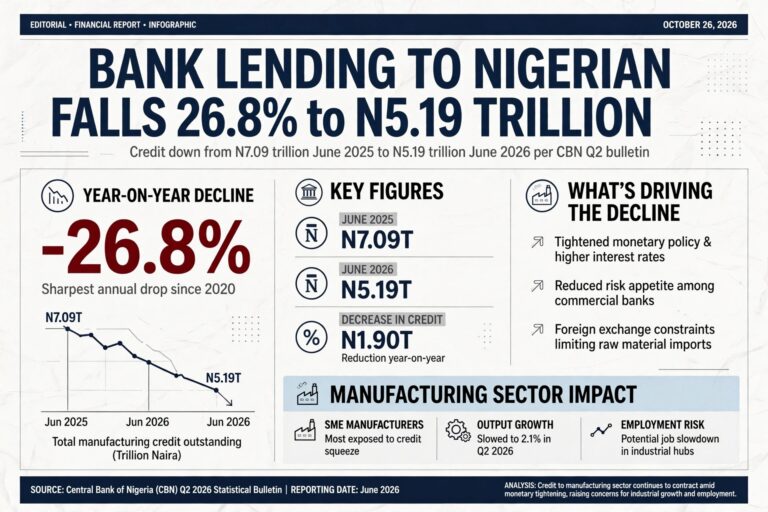
BANK LENDING TO NIGERIAN MANUFACTURERS FALLS 26.8% to ₦5.19 TRILLION
Bank credit to Nigeria’s manufacturing sector fell by 26.8 per cent year-on-year to ₦5.19 trillion in June 2026, raising concerns about access to financing for businesses seeking to expand local production. The figures were attributed to the Central Bank of Nigeria’s second-quarter statistical bulletin, Outstanding bank credit to manufacturers stood at approximately ₦7.09 trillion in…
Police Rescue Nine Kidnap Victims in 24-Hour Nationwide Operations
The Nigeria Police Force has rescued nine kidnapped victims and arrested suspects during a series of operations conducted across several states. The operations were carried out between September 17 and 18 as police formations in different parts of the country intensified efforts against kidnapping, armed robbery and other violent crimes. One of the major operations…
TELECOM OPERATORS INVEST ₦2.53 TRILLION IN NETWORKS AS SUBSCRIBERS CONTINUE TO COMPLAIN
Nigeria’s telecommunications industry is facing renewed questions about service quality after a report highlighted ₦2.53 trillion in network investment alongside continuing complaints from subscribers. The report, published by The Guardian Nigeria on October 10, examined whether spending on telecommunications infrastructure was translating into better experiences for mobile phone users. Figures cited in the report indicated…
Explosion Rocks Gas Outlet in Kubwa, Abuja, Sparks Panic Among Residents
An explosion and fire at a gas outlet around Liberty Junction in Kubwa, Abuja, caused panic among residents on Sunday morning. The incident occurred at a gas-refilling outlet in the area, with reports indicating that the blast shook nearby structures and prompted an emergency response. The Federal Fire Service said its FCT Command and other…
“NIGERIA’S PROBLEM IS POVERTY, NOT RELIGION” — SEYI MAKINDE URGES CHRISTIANS TO ENGAGE IN POLITICS
The Oyo State governor has called on Christians to participate more actively in politics, arguing that poverty and national development deserve greater attention than religious divisions. Oyo State Governor Seyi Makinde has urged Nigerians to look beyond religious differences and focus on the economic and social problems affecting the country. Makinde reportedly made the remarks…
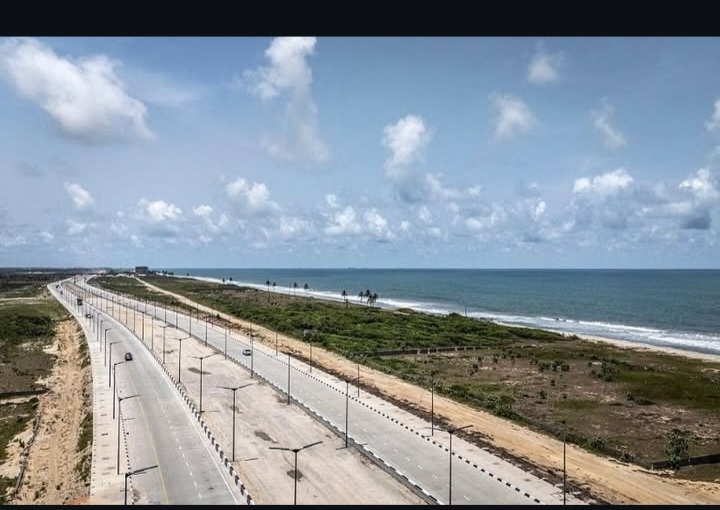
LAGOS-CALABAR COASTAL HIGHWAY EXPECTED TO BE COMPLETED WITHIN THREE YEARS
The Minister of Works, David Umahi, has projected that the Lagos-Calabar Coastal Highway will be completed within three years, placing the expected delivery around 2029 if the stated timeline is achieved. Umahi gave the projection during an interview with Arise Television on Friday, October 23, 2026. The proposed highway is a major federal infrastructure project…