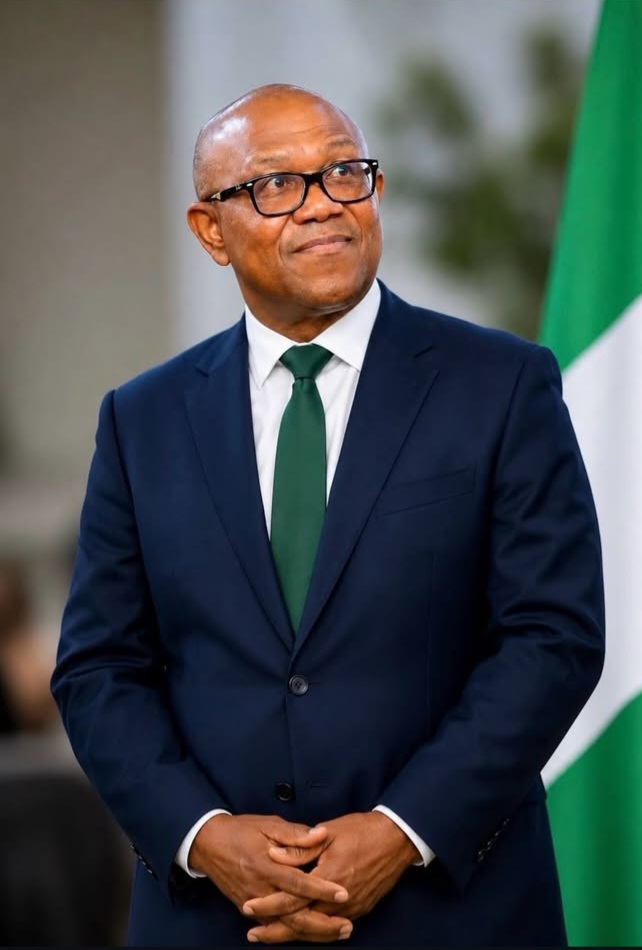
Former presidential candidate Peter Obi has linked Nigeria’s persistent insecurity to widespread poverty, arguing that efforts to reduce crime must address the economic conditions that leave many communities vulnerable. Obi reportedly made the remarks during a town hall meeting with stakeholders and supporters in Lokoja, Kogi State, on October 27. He also expressed his intention to tackle poverty and reduce crime if elected president in 2027, the comments have added to the ongoing political debate about how Nigeria should address kidnapping, armed attacks and other security challenges. Poverty, unemployment and limited economic opportunities can increase vulnerability to recruitment by criminal groups in some circumstances, where communities lack access to education, employment and basic services, young people may face greater difficulties finding lawful and sustainable sources of income. However, poverty alone does not explain every form of violence, kidnapping or organised crime. Effective security policy must also address criminal networks, illegal weapons, intelligence failures, weak law enforcement and the ability of offenders to operate without facing justice. Policies that expand employment, improve education and strengthen rural livelihoods can complement traditional security operations, for example, better economic opportunities may help reduce the appeal of criminal recruitment in vulnerable communities, investments in roads, schools, healthcare and productive businesses can also improve the ability of communities to withstand economic shocks. Nevertheless, these measures cannot replace the immediate responsibility of security agencies to protect people from attacks. A credible national strategy must combine crime prevention with effective investigation, intelligence gathering and prosecution. As political activity ahead of the 2027 elections continues, candidates are likely to face increasing scrutiny over their proposals for national security, voters should look beyond general promises and examine how proposed policies would be funded, implemented and measured. Important questions include how candidates intend to improve police capacity, support affected communities, address youth unemployment and ensure that perpetrators of violence face justice. The effectiveness of any administration will ultimately depend on its ability to turn campaign commitments into measurable improvements in public safety. Obi’s comments contribute to a broader debate about the relationship between economic hardship and insecurity. The debate is important, but it should not obscure the need for immediate protection of communities already facing violence. Nigeria needs a comprehensive approach that recognises the economic roots of some security problems while addressing the criminal and institutional factors that allow violence to continue, for voters, the key issue is not simply who offers the strongest rhetoric on insecurity, but who presents a credible and accountable plan for reducing it.
Similar Posts
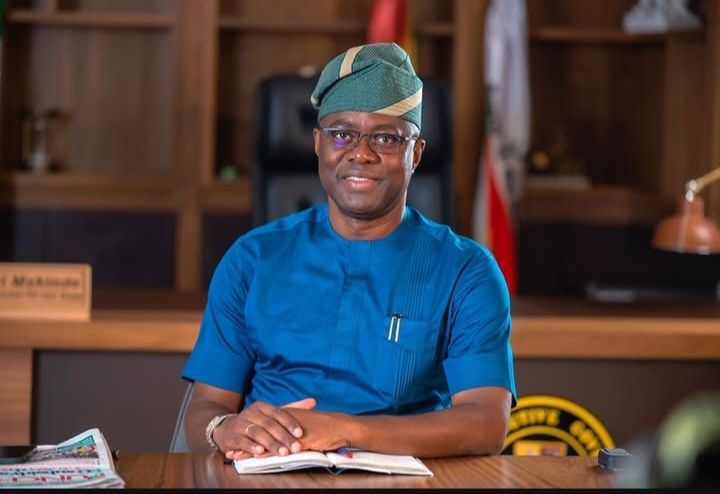
“NIGERIA’S PROBLEM IS POVERTY, NOT RELIGION” — SEYI MAKINDE URGES CHRISTIANS TO ENGAGE IN POLITICS
The Oyo State governor has called on Christians to participate more actively in politics, arguing that poverty and national development deserve greater attention than religious divisions. Oyo State Governor Seyi Makinde has urged Nigerians to look beyond religious differences and focus on the economic and social problems affecting the country. Makinde reportedly made the remarks…
KYLIAN MBAPPÉ LOSES MAJOR CHINESE BRAND DEALS FOLLOWING CONTROVERSIAL REMARKS ABOUT MAO ZEDONG
XANDERXO ENTERTAINMENT French football superstar Kylian Mbappé has found himself at the centre of an international controversy after remarks concerning a viral internet meme depicting him as former Chinese leader Mao Zedong triggered widespread backlash in China. The controversy emerged after a video circulated online showing the Real Madrid forward discussing an internet meme in…
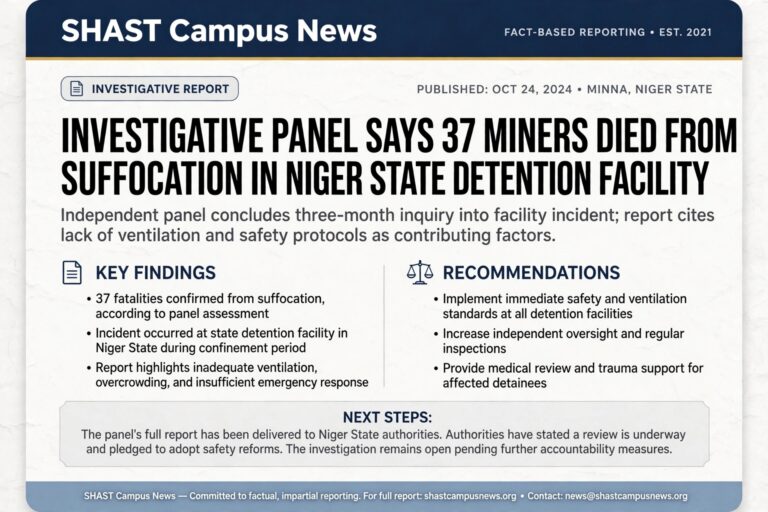
INVESTIGATIVE PANEL SAYS 37 MINERS DIED FROM SUFFOCATION IN NIGER STATE DETENTION FACILITY
An investigative panel has attributed the deaths of 37 suspected illegal miners in detention in Niger State to suffocation linked to severe overcrowding, poor ventilation and failures in the treatment and supervision of detainees, the findings have renewed calls for accountability, improved detention conditions and stronger safeguards for people held by law enforcement agencies. The…
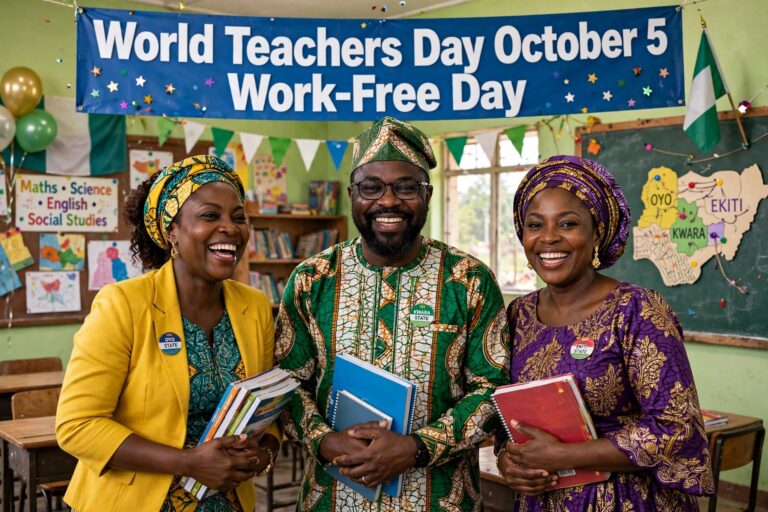
Oyo, Kwara and Ekiti Declare October 5 Work-Free for Teachers
Teachers in Oyo, Kwara and Ekiti states have been granted a work-free day as the states join the global community in marking World Teachers’ Day. The three state governments declared Monday, October 5, 2026, a work-free day for teachers to enable them to participate in activities marking the annual celebration. World Teachers’ Day is observed…
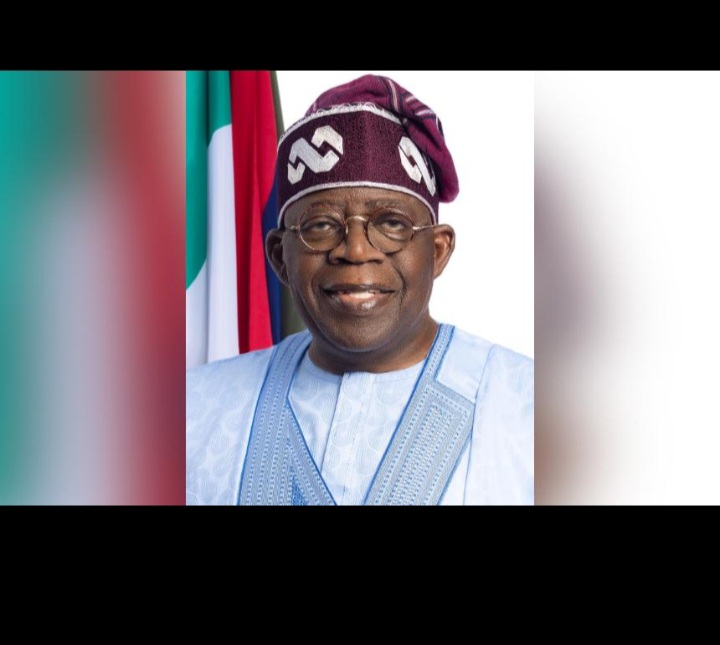
TINUBU DEFENDS ECONOMIC REFORMS AS OPPOSITION QUESTIONS IMPACT ON NIGERIANS
President Bola Tinubu’s economic policies have become a major focus of political debate as his administration prepares to seek another term in office amid persistent concerns about the cost of living and household finances. The president launched his re-election campaign in Kaduna on October 24, 2026, defending his administration’s direction as opposition figures continued to…
NIMC Debunks Viral NIN Data-Breach Claim, Urges Nigerians to Ignore Recycled Video
The National Identity Management Commission (NIMC) has moved to calm concerns over a viral social media video claiming that Nigeria’s National Identification Number database had been compromised. NIMC described the claim as false and unfounded, saying the video currently circulating online is based on an old report from 2024 that had already been denied. In…