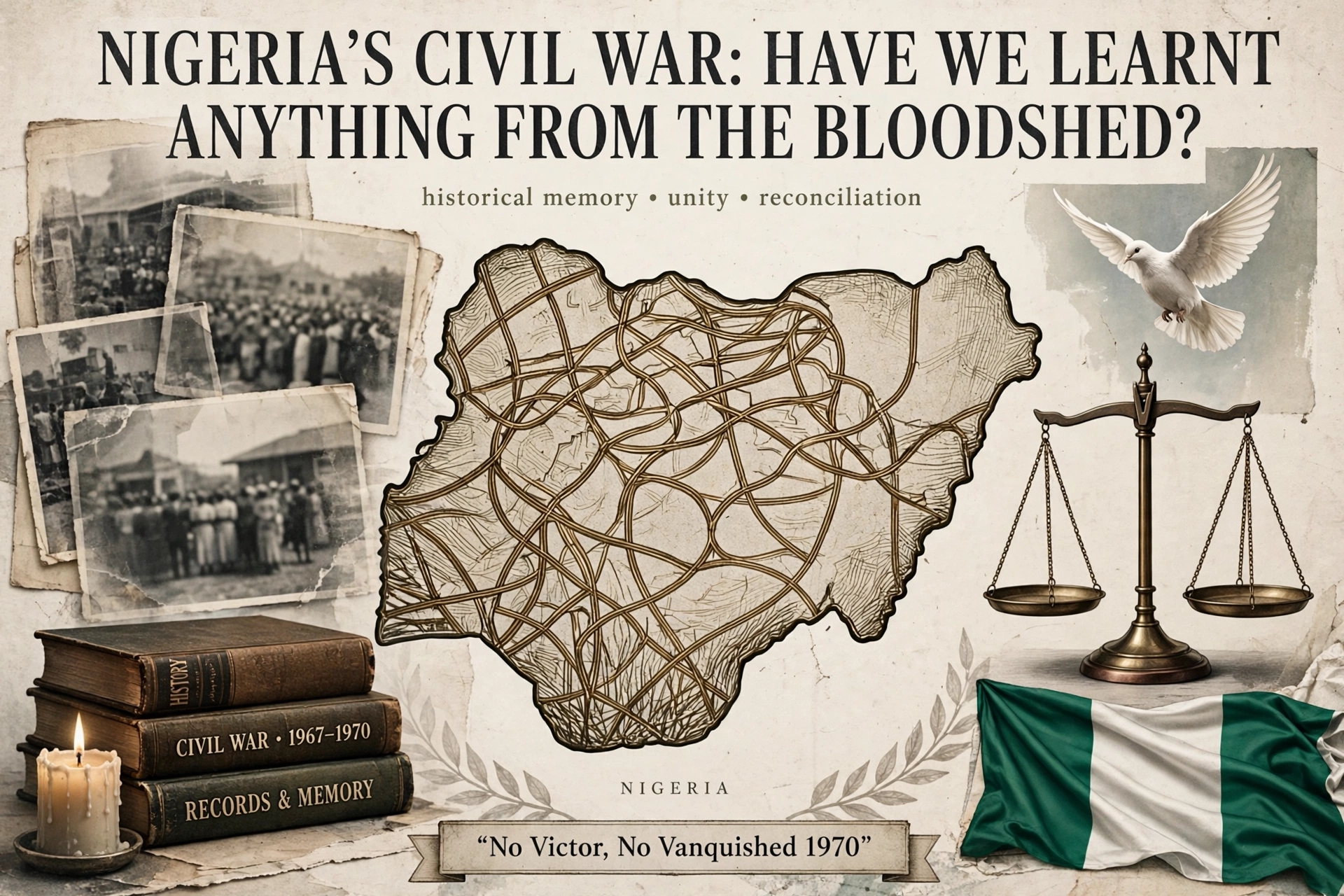
History has a painful way of returning to societies that refuse to learn from their past. For Nigeria, few historical experiences carry as much weight as the Nigerian Civil War of 1967–1970, a conflict that left countless families grieving, communities devastated and an entire generation scarred by loss. More than five decades after the war ended, an uncomfortable question remains: have we genuinely learnt the lessons that the conflict was supposed to teach us? The Nigerian Civil War began on July 6, 1967, following the declaration of the independent Republic of Biafra by the Eastern Region’s military governor, Lieutenant Colonel Chukwuemeka Odumegwu Ojukwu, on May 30, 1967. The federal government, led by General Yakubu Gowon, opposed the secession, and the disagreement escalated into a devastating armed conflict. However, the roots of the war went deeper than the declaration of independence. Political instability, ethnic tensions, the January and July 1966 coups, the killings of civilians, mass displacement and the collapse of trust among Nigeria’s major political communities had created an atmosphere in which peaceful coexistence became increasingly difficult. The consequences were catastrophic. Millions of people were affected by the fighting, displacement, hunger and disease. The images of starving children became an international symbol of the humanitarian disaster. Families were separated, livelihoods destroyed and communities forced to rebuild from the ruins of war. The war ended in January 1970 when Biafran forces surrendered. Gowon’s declaration that there was “no victor, no vanquished” expressed an aspiration for reconciliation and national unity. Yet reconciliation cannot be measured by the end of gunfire alone. It must also be measured by whether citizens feel accepted, protected and represented in the country they share, this is where Nigeria must examine itself honestly. A country does not preserve unity merely by insisting that it must remain united. Unity requires fairness, mutual respect, justice and institutions that protect every citizen regardless of ethnicity, religion or geographical origin, when communities feel excluded from political power, when citizens believe that opportunities are distributed unfairly, and when legitimate grievances are dismissed as threats to national stability, the foundations of trust begin to weaken. The Civil War should have taught Nigeria that political problems cannot always be solved through force. Military victory may end an armed conflict, but it cannot automatically heal emotional wounds or eliminate the grievances that contributed to the crisis. Today’s political leaders must therefore recognise that national security is not simply about weapons, soldiers and police officers. It is also about building a society in which citizens have confidence in the justice system, believe their votes matter and can express their concerns without fear of persecution. Nigerians also have a responsibility. Ethnic identity should never become a justification for hatred, collective blame or the dehumanisation of other communities. The mistakes of political leaders must not become excuses for ordinary citizens to treat one another as enemies. Remembering the Civil War does not mean reopening old wounds for political advantage. It means preserving historical memory so that future generations understand the consequences of division and the value of peaceful coexistence. Nigeria has survived the war, but survival alone is not the same as progress. A nation that remembers its dead while ignoring the conditions that made their suffering possible has not fully learnt its lessons. Our history must be a warning, not a rehearsal. The greatest tribute Nigeria can pay to the victims of the Civil War is to build a country where justice is stronger than prejudice, dialogue is stronger than violence, and citizenship matters more than ethnicity.
Similar Posts
“When God Doesn’t Give You Something, Don’t Push”: Dangote Speaks on Not Having a Son.
For years, the idea of having a male child to carry on a family name and legacy has remained deeply rooted in many African societies. But for billionaire businessman Aliko Dangote, having a son is not something he considers a priority. Dangote made this known during an interview with ARISE News when he was asked…
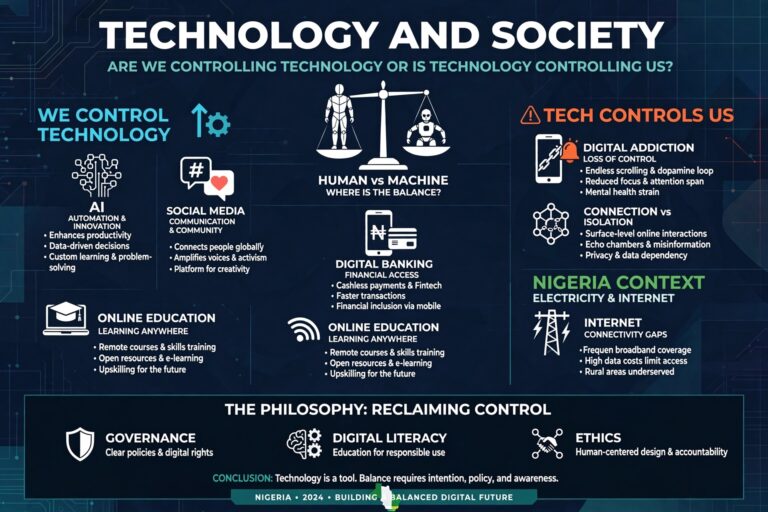
TECHNOLOGY AND SOCIETY: ARE WE CONTROLLING TECHNOLOGY, OR IS TECHNOLOGY CONTROLLING US?
Technology was created to make life easier, improve communication, solve problems, and expand human possibilities. Today, artificial intelligence, social media, digital banking, and online education have transformed how we live, work, learn, and interact. However, beneath these remarkable achievements lies an important question: Are we using technology to improve our lives, or are we gradually…
FBI IN NIGERIA? YAHOO BOYS HAVE BEEN CAPTURED
The question has been spreading across social media: “Is the FBI now in Nigeria?”For many young Nigerians, the question is no longer just a topic for online discussion. Recent arrests, extraditions and investigations involving Nigerian internet-fraud suspects have brought the issue much closer to home. The Federal Bureau of Investigation (FBI) is not a new…
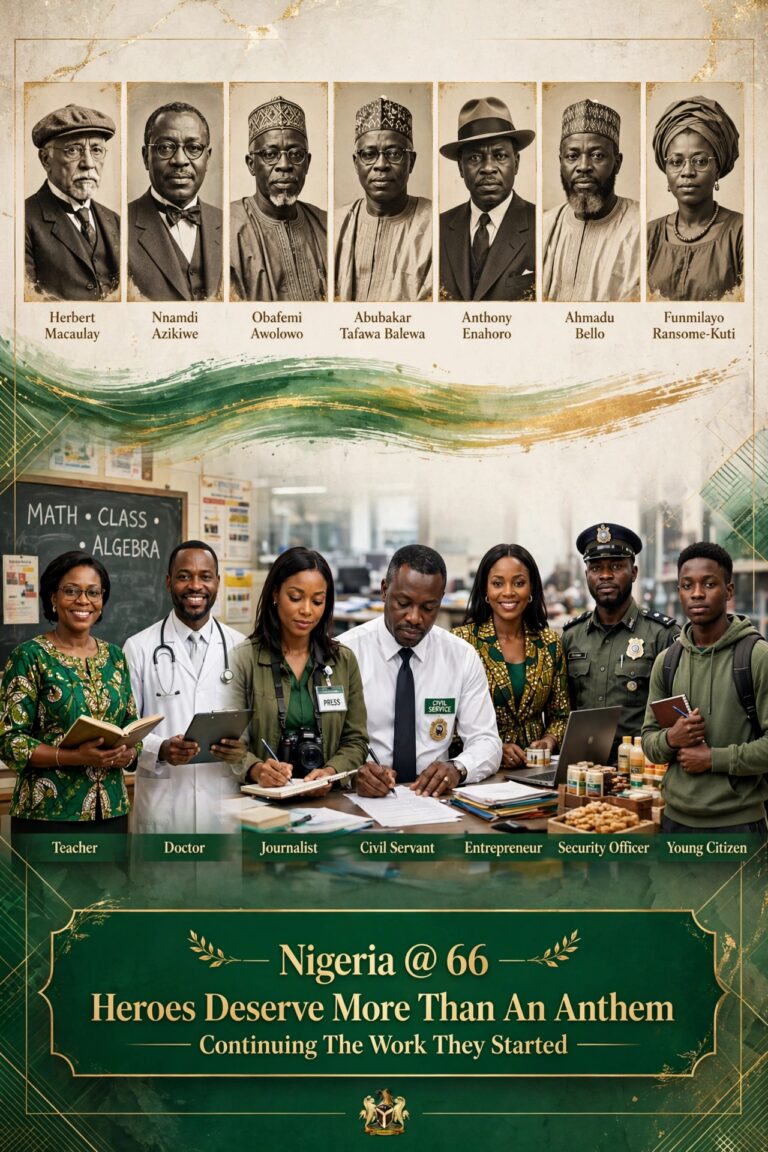
Nigeria’s Heroes Deserve More Than a National Anthem
Every October 1, Nigeria remembers her heroes. We hear their names, we see their portraits, we repeat the familiar stories of independence, sacrifice and patriotism. Then the speeches end, the flags come down. And, too often, the lessons disappear with them. But Nigeria’s heroes deserve more than a few paragraphs in an Independence Day speech,…
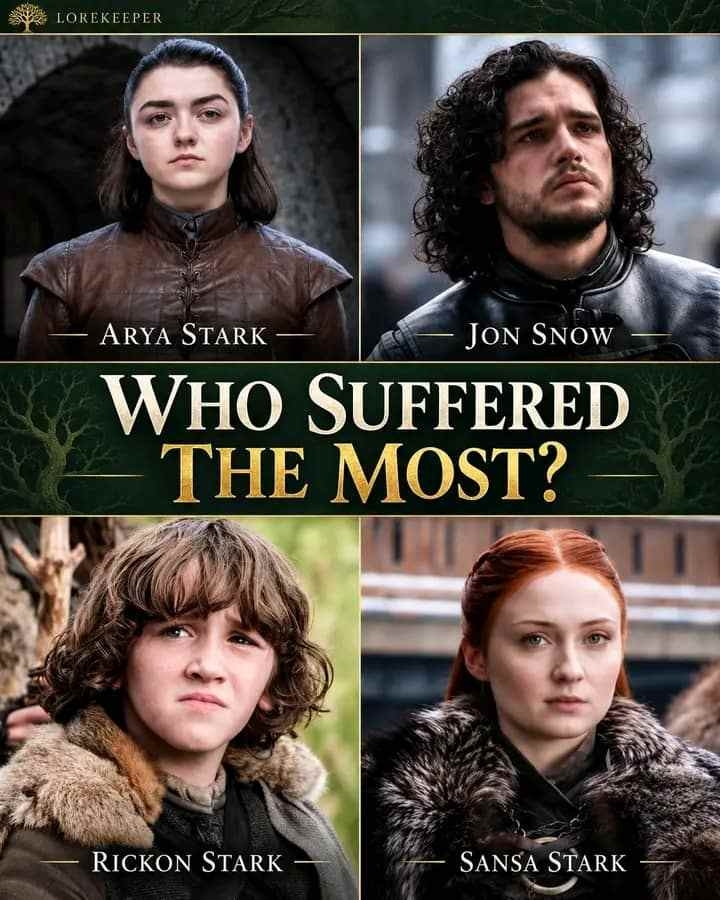
WHO SUFFERED THE MOST IN GAME OF THRONES? ARYA, JON, RICKON OR SANSA STARK?
Four Stark siblings. Four heartbreaking journeys. One family destroyed by war, betrayal and the relentless pursuit of power. But which of them truly suffered the most? In the brutal world of Game of Thrones, being born into the Stark family was supposed to mean honour, loyalty and a proud Northern legacy. Instead, for the children…
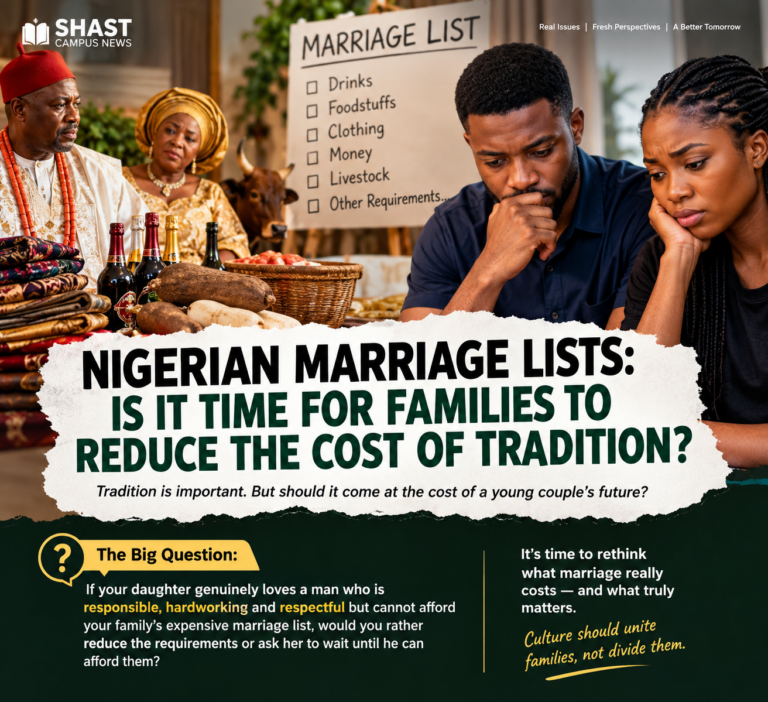
NIGERIAN MARRIAGE LISTS: IS IT TIME FOR FAMILIES TO REDUCE THE COST OF TRADITION?
Marriage is supposed to be the beginning of a new chapter in the lives of two people. It represents love, commitment, responsibility and the willingness to build a future together. In Nigeria, however, before many couples can begin that journey, they must first navigate a traditional marriage process that can be financially demanding. Across different…