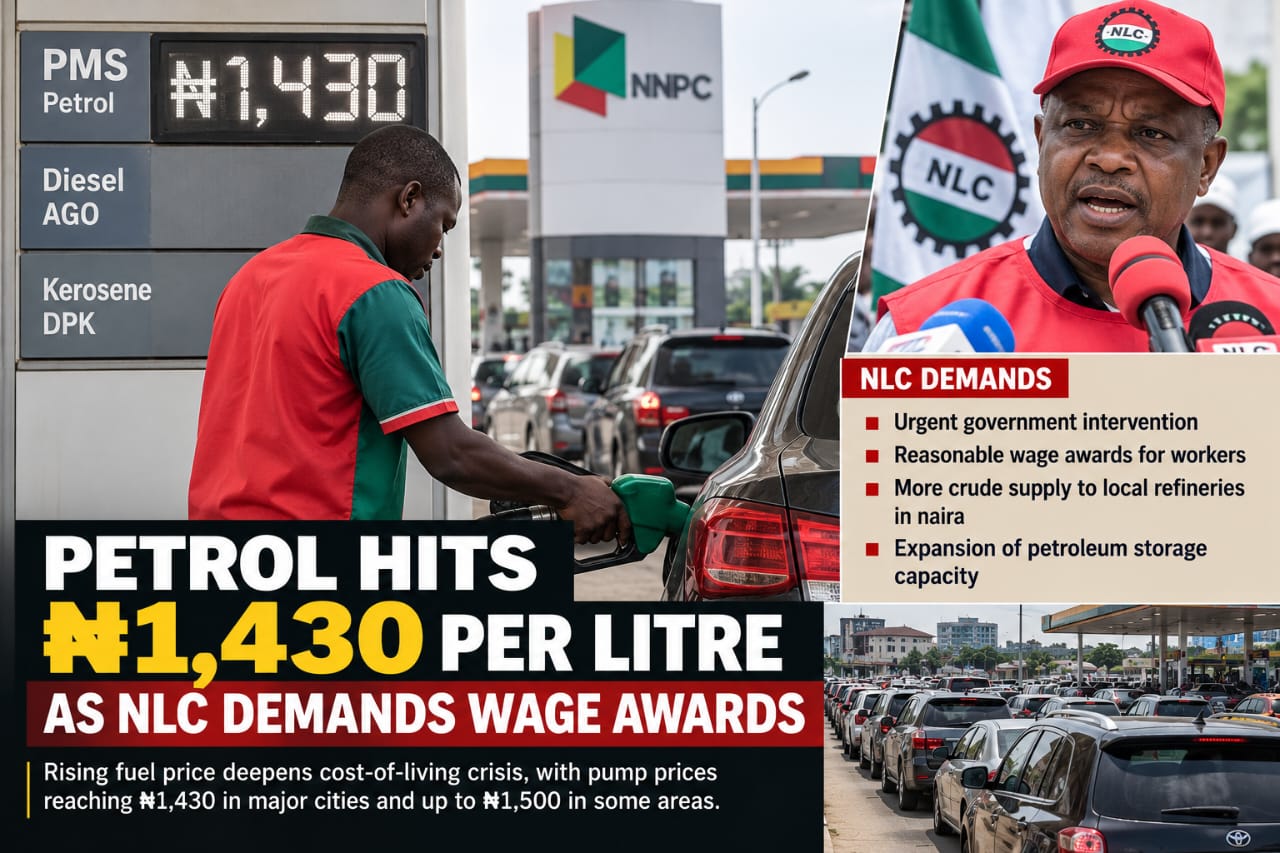
The rising price of petrol is putting fresh pressure on households and businesses across Nigeria, with pump prices reaching about ₦1,430 per litre in major cities and climbing as high as ₦1,500 in some parts of the country. The latest increase has triggered renewed concerns about transportation costs, food prices and the wider cost of living, as Nigerians already dealing with high household expenses face another round of economic pressure. The Nigeria Labour Congress (NLC) has called on the Federal Government to respond urgently, arguing that the impact of expensive petrol goes far beyond the filling station. According to the labour organisation, higher fuel prices are likely to translate into increased transport fares and rising costs for essential goods and services, including food, rent and school expenses. In a statement signed by NLC President Joe Ajaero, the union asked the Federal Government to introduce reasonable wage awards for workers as part of measures to cushion the impact of the fuel-price increase. The NLC also called for sufficient crude oil to be supplied to local refineries in naira and for Nigeria’s petroleum storage capacity to be expanded. The union argued that stronger domestic refining and storage capacity could help the country reduce its exposure to international energy-market shocks. The latest increase has come amid renewed volatility in the international oil market. The NLC linked the recent pressure partly to the resurgence of conflict in the Gulf, while noting that Nigeria’s position as an oil-producing country should provide some protection against external shocks. Nigeria’s deregulated petrol market also means pump prices are affected by factors including crude oil prices, exchange rates, transportation and other supply-chain costs. With petrol playing a major role in transportation and business operations, any significant increase can quickly spread through different sectors of the economy. For many workers, higher transport costs can reduce the amount of money available for food, housing and other household needs. Small businesses are also exposed because many depend on petrol-powered generators and vehicles to operate. An increase in fuel expenses can therefore raise operating costs and, in turn, influence the prices customers pay. The NLC has argued that government intervention is necessary to prevent the latest fuel-price shock from placing the entire burden on citizens. The union has also said emergency intervention, including subsidies or other forms of support, should not automatically be ruled out when citizens are facing severe economic pressure. The latest development places renewed attention on the Federal Government’s efforts to expand domestic refining and reduce Nigeria’s vulnerability to international fuel-market movements. The NLC said the government should make use of additional revenue from higher crude prices to provide relief for citizens, while ensuring that local refineries have adequate access to crude. For millions of Nigerians, however, the immediate concern remains how higher petrol prices will affect daily transportation, food purchases and household budgets. As the price pressure continues, attention will now turn to whether the Federal Government will introduce new measures to cushion workers, businesses and vulnerable households from the rising cost of living.
Similar Posts
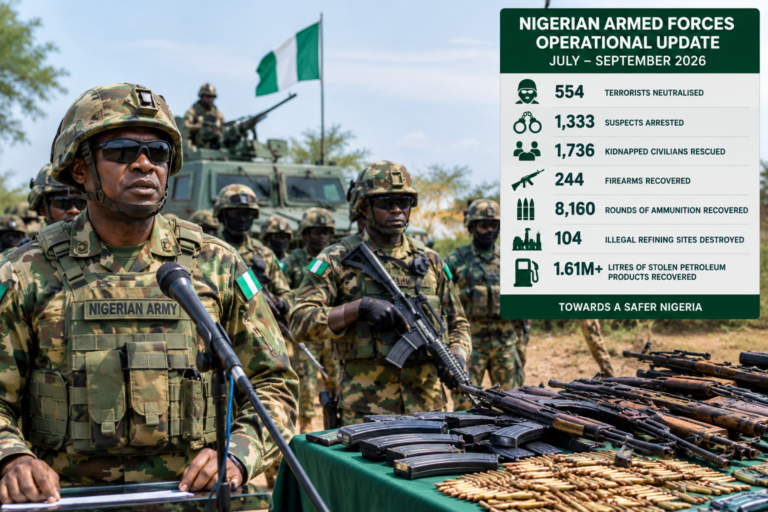
Army Reports Major Gains as 554 Terrorists Are Neutralised in Three Months
The Nigerian Armed Forces have reported significant military operations across the country, saying troops neutralised 554 terrorists between July and September 2026. The figures were disclosed by the Director of Defence Media Operations, Major General Michael Onoja, during a Defence Headquarters briefing in Abuja on Thursday. According to the military, troops also arrested 1,333 suspects…
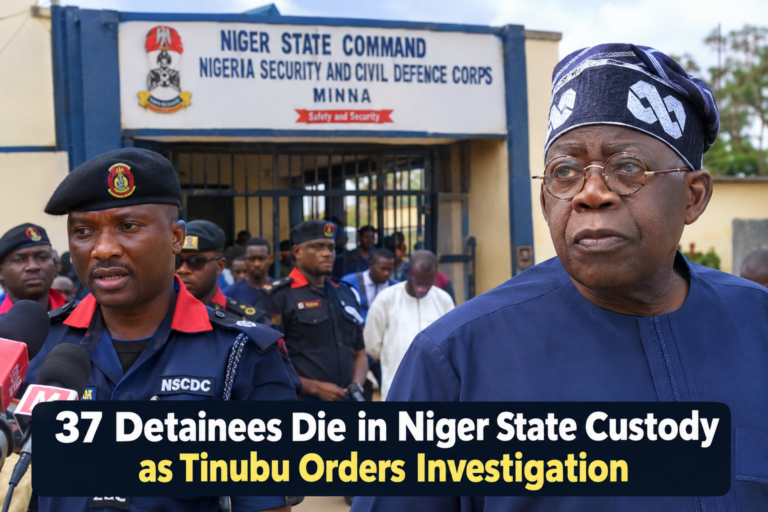
37 Detainees Die in Niger State Custody as Tinubu Orders Investigation
Nigeria is facing fresh scrutiny over conditions in detention facilities after 37 people arrested during an anti-illegal-mining operation died while in the custody of the Nigeria Security and Civil Defence Corps (NSCDC) in Minna, Niger State. The victims were among dozens of people arrested during operations targeting suspected illegal mining activities in parts of the…
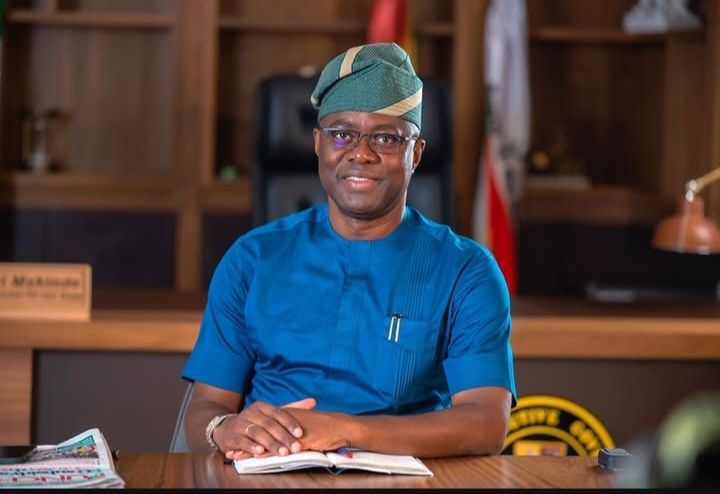
“NIGERIA’S PROBLEM IS POVERTY, NOT RELIGION” — SEYI MAKINDE URGES CHRISTIANS TO ENGAGE IN POLITICS
The Oyo State governor has called on Christians to participate more actively in politics, arguing that poverty and national development deserve greater attention than religious divisions. Oyo State Governor Seyi Makinde has urged Nigerians to look beyond religious differences and focus on the economic and social problems affecting the country. Makinde reportedly made the remarks…
SERAP Gives CBN Seven Days to Account for Alleged $6.23m Election Funds, ₦1.63tn
The Socio-Economic Rights and Accountability Project (SERAP) has given the Central Bank of Nigeria (CBN) seven days to account for millions of dollars and more than ₦1.63 trillion in public funds it says were allegedly diverted or remain unaccounted for. SERAP made the demand in a letter dated September 26 and addressed to CBN Governor…
Nigeria Takes Bigger Role in Global Education Financing as Italy Partnership Gains Attention
Nigeria has taken a prominent role in a global campaign aimed at raising billions of dollars to support education across developing countries. The country is co-hosting the Global Partnership for Education’s 2026–2030 replenishment campaign alongside Italy. The campaign seeks to mobilise US$5 billion to support education in more than 100 low-income and lower-middle-income countries. The…
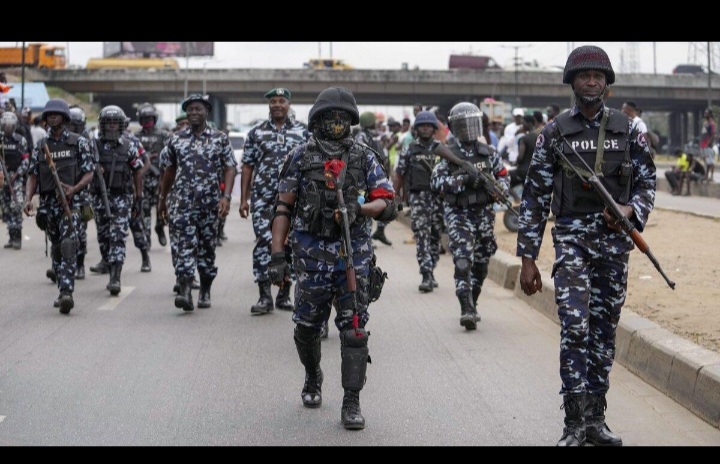
STATE POLICE PROPOSAL RENEWS DEBATE OVER NIGERIA’S SECURITY STRUCTURE
The proposal to establish state police continues to generate debate over how Nigeria should organise its security system and respond to crime. Supporters argue that policing arrangements closer to local communities could improve intelligence gathering and enable officers to respond more quickly to security threats, critics, however, warn that state-controlled police forces could face political…