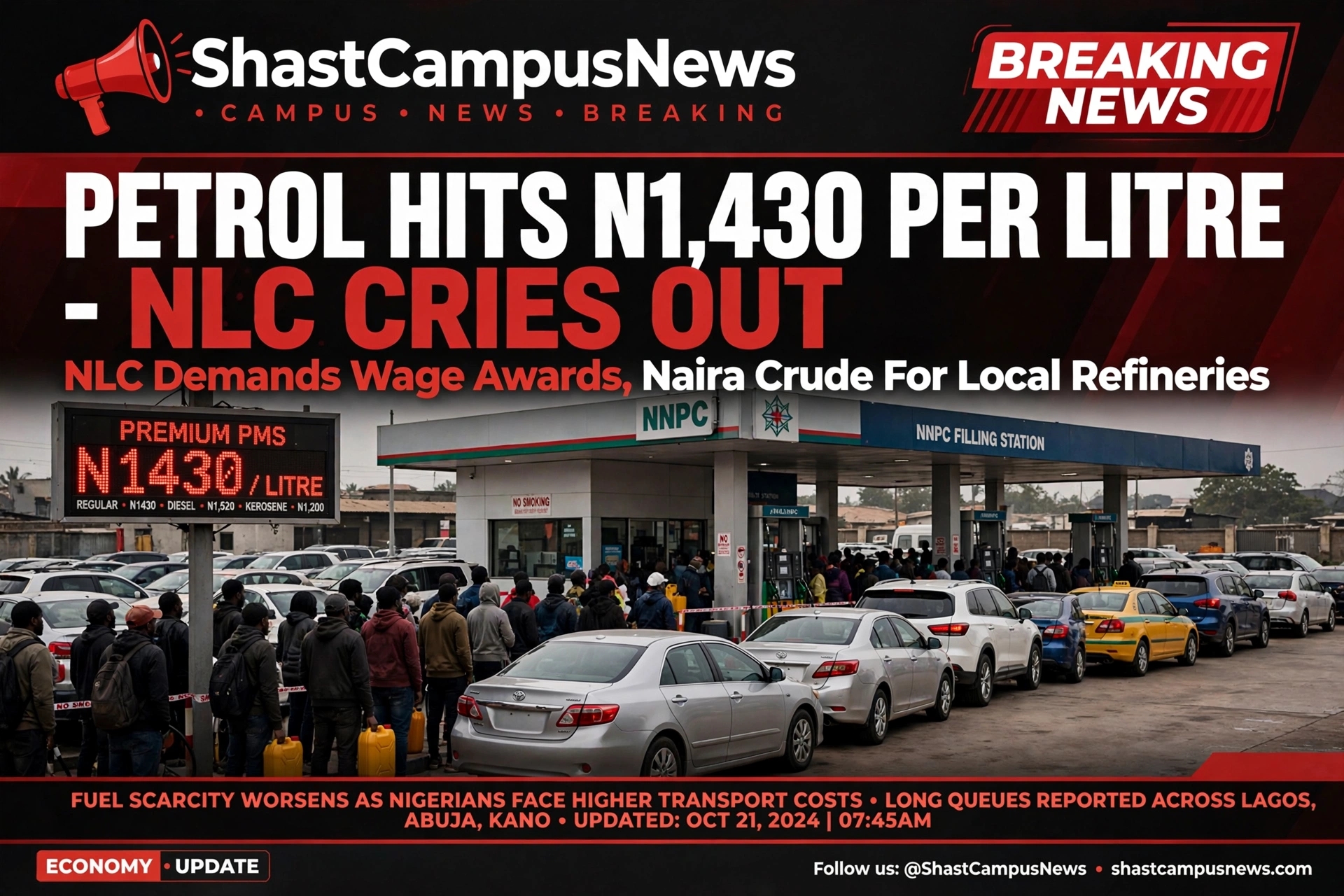
The rising cost of petrol has triggered fresh concerns across Nigeria, with the Nigeria Labour Congress (NLC) calling on the Federal Government to urgently intervene as petrol prices climb to about ₦1,430 per litre in some major cities. The labour union says the increase is placing additional pressure on workers and households already struggling with high transportation and living costs. In some parts of the country, reports indicate that petrol is now selling for as much as ₦1,500 per litre. The NLC made its position known in a statement titled “Save the Situation Now,” signed by its President, Joe Ajaero. According to the union, the latest increase in petrol prices could have consequences far beyond the filling station. Higher fuel costs usually translate into increased transport fares, which can then affect the prices of food, rent, school expenses and other essential services. The labour body is asking the Federal Government to introduce reasonable wage awards for workers to help cushion the impact of the rising cost of living. The NLC also wants the government to ensure that sufficient crude oil is supplied to local refineries in naira. It argued that strengthening domestic refining and expanding petroleum storage capacity would help Nigeria respond better to future disruptions in the international oil market. The union further maintained that government intervention should not be ruled out during an emergency, arguing that temporary support could help protect households and businesses from severe energy-price shocks. The latest increase comes amid continuing volatility in the international oil market. The NLC linked the recent pressure partly to renewed conflict in the Gulf and argued that Nigeria, as an oil-producing country with local refining capacity, should have stronger measures for protecting citizens from external shocks. The labour organisation also raised concerns about the supply of crude to domestic refineries, saying that relying on imported crude despite Nigeria’s oil-producing status undermines the country’s drive to build stronger local refining capacity. For ordinary Nigerians, the major concern remains how higher petrol prices will affect daily expenses. As transportation becomes more expensive, households may face another round of pressure on their already stretched incomes. The NLC is therefore urging the Federal Government to act quickly, with wage awards, stronger domestic refinery supply and increased petroleum storage among the measures it says could provide relief. For now, Nigerians are watching closely to see whether the government will respond to the labour union’s demands as petrol prices continue to fluctuate across the country.
Similar Posts
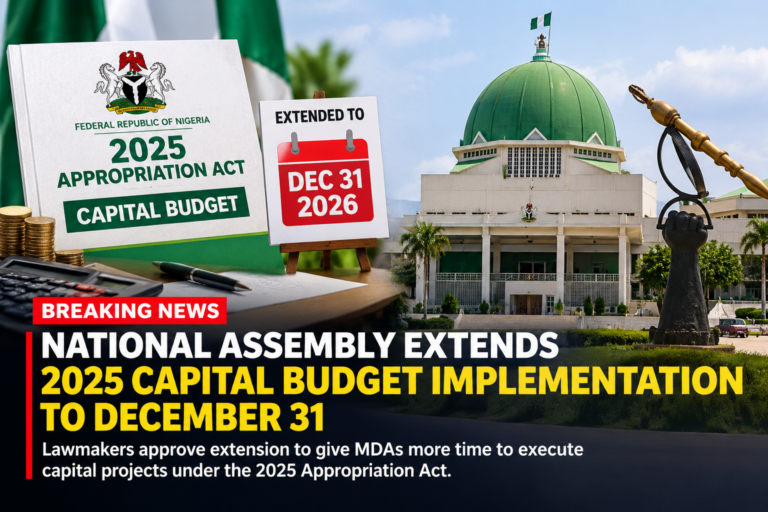
National Assembly Extends 2025 Capital Budget Implementation to December 31
The National Assembly has approved another extension for the implementation of the capital component of Nigeria’s 2025 budget. The extension moves the deadline from September 30 to December 31, 2026, giving ministries, departments and agencies additional time to execute projects contained in the capital budget. The decision followed consideration of a request for more time…
Lekki Port Traffic Congestion Worsens as Trucks Disrupt Cargo Movement
Traffic congestion around the Lekki Deep Seaport corridor in Lagos has worsened, with port stakeholders warning that the growing gridlock is beginning to disrupt cargo movement and port operations. The congestion has been linked to the movement of tankers and container trucks along the busy corridor, with stakeholders raising concerns about the enforcement of traffic…
Lagos Govt Gives Police Officers 3 Months Free Transport on BRT, Train, and Boats
The Lagos State Government has launched a 3-month free transportation scheme for police officers in the state. The initiative was unveiled on Wednesday, September 9, 2026, to recognize the sacrifices of police officers in maintaining peace and security across Lagos. The state government presented 2,000 Cowry Cards to the Nigeria Police Force. Each card gives…
Peter Obi’s Wife’s ₦200m+ Hermès Bag Sparks Outrage: Nigerians Begin Asking Questions
A luxury handbag reportedly carried by Margaret Obi, wife of Labour Party presidential figure Peter Obi, has suddenly become the centre of a heated online debate, with Nigerians questioning the price of the designer item and what it means for Peter Obi’s carefully cultivated image of frugality. Photos and videos of Margaret Obi carrying what…
SHEttima PUSHES ‘HIRE FROM NIGERIA’ CAMPAIGN FOR GLOBAL JOB OPPORTUNITIES
The Federal Government has stepped up efforts to connect Nigerian workers with international employers through the new “Hire From Nigeria” campaign. The initiative is designed to promote Nigeria’s large pool of young and digitally skilled workers to companies looking for talent around the world. Vice President Kashim Shettima has been promoting the initiative as part…
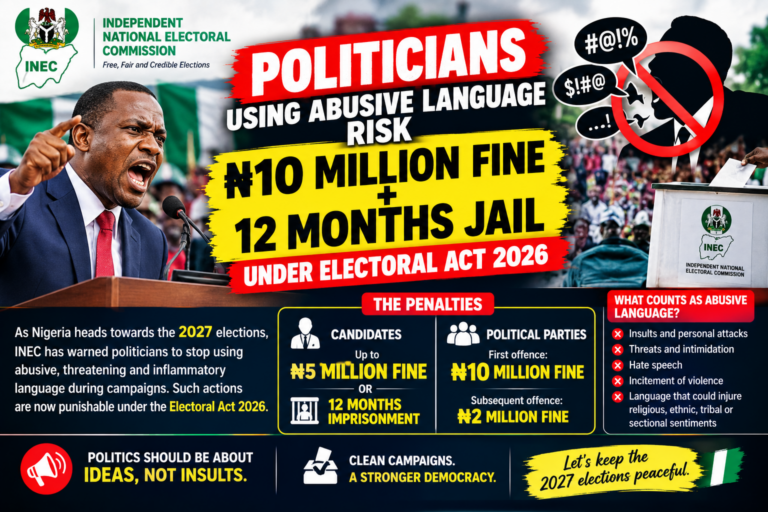
INEC Draws the Line: Politicians Face Fines and Jail Over Abusive Campaign Language Ahead of 2027
As Nigeria moves closer to the 2027 elections, the Independent National Electoral Commission (INEC) has warned politicians that abusive, threatening and inflammatory campaign language could come with serious legal consequences. The warning comes at a time when political rhetoric is already becoming increasingly heated, with politicians and supporters trading insults, threats and provocative statements across…