
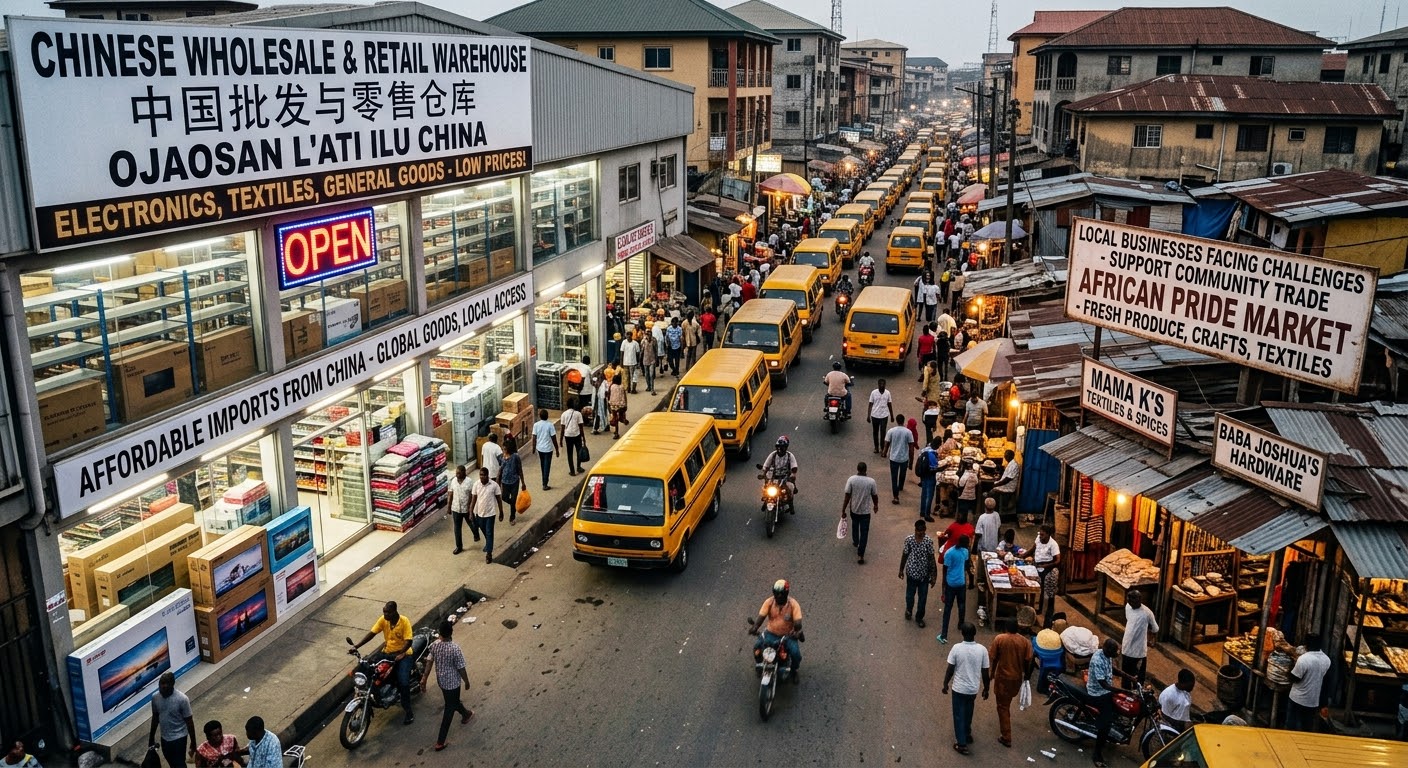
Walk into many major African cities today and there is a good chance you will come across shops, warehouses or businesses selling products imported from China. From electronics and phone accessories to clothes, household items, building materials and spare parts, Chinese products have become a familiar part of everyday life for many African consumers.For customers, the attraction is often simple: more choices and cheaper prices. But for local businesses, the story is not always that simple.
Why Consumers Like Chinese Products One major reason Chinese products have become popular across Africa is their price. A consumer who cannot afford an expensive imported brand may still be able to find a cheaper alternative. This has made products such as phone accessories, lighting equipment, household goods and small electronics more accessible to people with different levels of income. Chinese businesses have also helped expand the number of products available in African markets.Instead of having only a few options, consumers can now choose between different designs, brands and price ranges.
What About Local Businesses?
The growing presence of Chinese businesses has also created concerns among some local traders and manufacturers. A small African business may struggle to compete with an importer who can purchase large quantities of products directly from manufacturers and sell them at relatively low prices.Local manufacturers also face another challenge: producing goods locally can be expensive when compared with importing already produced products. This raises an important question if imported products continue to dominate the market, what happens to local production? But There Is Another Side It would be too simple to describe Chinese businesses in Africa only as a threat. Their activities also create jobs, expand trade and provide opportunities for African entrepreneurs who buy products wholesale and resell them.For many African traders, China has become a major source of products for their own businesses. A person who cannot manufacture shoes, bags, electronics or household items can import them and build a business around selling them locally. Chinese companies operating in Africa can also contribute to infrastructure, logistics and other areas of economic activity.
The Bigger Question The issue may therefore not be whether Chinese businesses are completely good or bad for Africa.The bigger question is how African countries can benefit from international trade while also developing strong local industries.If imported products remain affordable for consumers while African businesses are given better opportunities to manufacture, innovate and compete, the relationship could create opportunities on both sides.But if local production continues to struggle without adequate support, the growing dependence on imported goods could create longer-term challenges.For Africa, the goal may not be to shut the door on Chinese products, but to build an economy strong enough to compete in the same market.